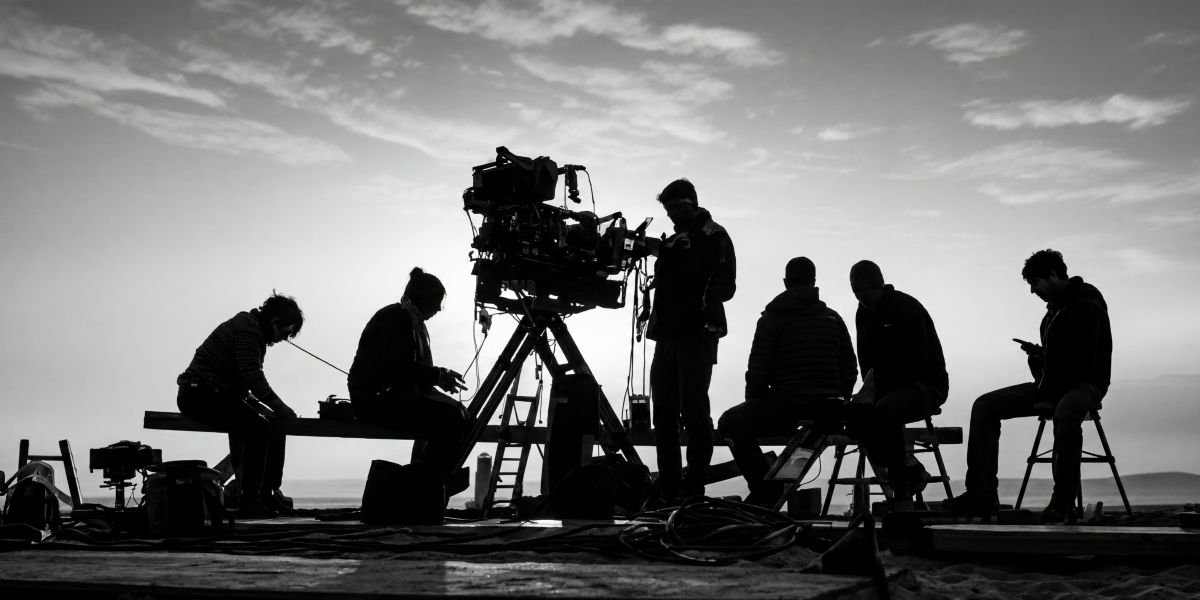

When audiences watch a film set against the skyline of a distant city, they rarely consider the practical decisions that made those scenes possible. Behind the finished production is a network of professionals whose work may require them to spend weeks or months away from their usual homes.
For directors, camera operators, costume specialists, makeup artists and other production professionals, working in another city can involve more than booking a flight and reserving a hotel room. Longer assignments may require temporary accommodation, transportation of personal belongings and significant changes to everyday routines.
These responsibilities become particularly complicated when production schedules change, filming locations are revised or an assignment develops into a more permanent professional opportunity.
While the entertainment industry is often associated with creative achievement and public recognition, its ability to operate across different locations also depends on a less visible form of expertise: coordinating the movement of people, equipment and personal possessions around demanding production schedules.
Location-Based Filming Creates a Mobile Professional Workforce
Film and television productions do not necessarily remain in one studio throughout their development. Creative requirements may lead production teams to work in multiple cities, outdoor environments or specialized facilities.
A particular location may offer architectural characteristics, natural landscapes or practical production infrastructure that would be difficult to reproduce elsewhere. Financial considerations and the availability of local production resources can also influence location decisions.
For the professionals involved, these decisions can create substantial changes in where and how they work.
According to the United States Bureau of Labor Statistics, producers and directors working in film and television may perform their duties away from established studios at designated filming locations. Assignments can vary considerably in duration, while working schedules frequently depend on the requirements of individual projects.
This occupational flexibility helps explain why relocation planning deserves attention within the entertainment industry. A professional may accept an assignment expecting to remain away from home for a limited period, only to discover that production requirements have changed.
The Difference Between a Short Assignment and a Household Relocation
Not every location-based production requires workers to relocate their households. For a brief assignment, carrying essential personal items and staying in temporary accommodation may be sufficient.
Longer projects introduce different considerations. Professionals may need additional clothing, personal workspaces, household equipment or belongings that support their everyday routines.
The situation becomes more complicated when an individual is considering whether to retain an existing residence while establishing a temporary home elsewhere.
Maintaining two living arrangements can involve overlapping housing expenses, transportation requirements and additional responsibilities. Moving an entire household, by contrast, may create unnecessary costs if the production concludes earlier than anticipated.
Understanding the expected duration of an assignment is therefore an important starting point.
Professionals considering a longer relocation can benefit from comparing the different types of long-distance moving services available, including full-service arrangements, self-service options and transportation solutions that may incorporate temporary storage.
The appropriate choice depends on the amount of property involved, the available preparation time and the likelihood that the relocation will become permanent.
Production Equipment and Personal Belongings Require Separate Planning
A film production may involve cameras, lighting equipment, costumes, props, sound equipment and numerous other resources required to complete its creative work.
These assets generally require transportation arrangements that reflect their ownership, financial value, technical characteristics and production schedules.
Personal household belongings represent a separate logistical responsibility.
A camera operator may be responsible for transporting certain personally owned items, while equipment supplied by the production company may fall under completely different arrangements. Similar distinctions can apply to costume specialists, designers and other entertainment professionals who use a combination of personal and employer-provided resources.
Confusion can arise when responsibilities are not established clearly before departure.
For example, a worker may assume that certain belongings can travel with production equipment, while the production company’s transportation arrangements may exclude personal property.
Clarifying these distinctions helps individuals understand which transportation services they need to organize independently. It also prevents household items from becoming unintentionally mixed with equipment that must follow a separate operational schedule.
For production managers, communicating these boundaries early can reduce administrative complications and allow crew members to make more informed personal arrangements.
Temporary Housing Needs to Support Unpredictable Working Hours
Choosing accommodation for a film assignment involves considerations that may differ from those associated with an ordinary vacation or short business trip.
Entertainment professionals may need to report to work early in the morning, remain on set for extended periods or travel between different filming locations throughout a project.
A residence that initially appears convenient may become less practical when production schedules require frequent travel outside ordinary commuting hours.
Housing decisions should therefore account for the actual demands of the assignment rather than relying exclusively on the advertised distance between a property and the main production facility.
Access to reliable transportation, suitable parking and essential everyday services can become particularly important during extended assignments.
Professionals may also benefit from considering whether their accommodation includes the furniture and household equipment necessary for a comfortable stay.
A furnished property may reduce the amount of personal property that needs to be transported. An unfurnished residence could make a more substantial household move necessary, particularly when a project is expected to continue for several months.
Production Schedule Changes Can Disrupt Personal Relocation Plans
Film and television projects involve numerous interdependent activities. Changes affecting one part of a production can influence the availability of locations, personnel and equipment elsewhere in the schedule.
Although these changes are familiar within the entertainment industry, their consequences can extend beyond the workplace.
A professional who has arranged a household shipment to coincide with an anticipated arrival date may encounter difficulties if the production unexpectedly requires an earlier start. Alternatively, a delayed assignment could leave an individual responsible for accommodation or storage expenses before work begins.
Maintaining some flexibility within personal relocation arrangements can help reduce the impact of these situations.
Where possible, individuals should establish how changes to their travel dates, housing arrangements and transportation bookings would affect existing commitments.
Relocating With a Family Introduces Additional Responsibilities
Working away from home can become considerably more complicated when entertainment professionals have partners, children or other household responsibilities.
A production assignment may offer a valuable professional opportunity while creating practical questions about schooling, childcare, employment arrangements and the continuity of everyday family life.
For some households, maintaining their existing residence while one family member works temporarily in another city may be the most practical arrangement. Other families may choose to relocate together when an assignment is expected to continue for a substantial period.
Each option involves different financial and organizational considerations.
Moving together may reduce extended periods of separation but can also introduce expenses associated with housing, household transportation and changes to established routines.
Maintaining separate residences can offer greater stability for family members who remain at home, although it may increase travel expenses and place additional responsibilities on those managing the original household.
These decisions are particularly difficult when the duration of an assignment remains uncertain.
Discussing the potential circumstances before accepting a major relocation can help families identify arrangements that remain workable even if production requirements develop differently from initial expectations.
Entertainment Professionals Need to Understand the Financial Scope of a Move
A relocation budget can become misleading when it accounts only for travel expenses and accommodation.
For a longer assignment, additional costs may include household transportation, temporary storage, utility arrangements and overlapping housing commitments.
Some expenses may be covered by an employer or production company, while others remain the responsibility of the individual worker. These arrangements can vary according to the project, employment agreement and professional role.
It is important to distinguish confirmed relocation support from expenses that an individual merely expects to be reimbursed.
Before committing to substantial transportation or housing arrangements, professionals can benefit from establishing which costs are covered, whether spending limits apply and what documentation is required to request reimbursement.
A comprehensive budget should also consider what happens when the production concludes. Returning belongings to an original residence, arranging another move or maintaining temporary storage may create additional expenses that were not included in the initial relocation plan.
Considering the entire assignment, rather than only the journey to the filming location, provides a more useful basis for financial preparation.
Interstate Moving Arrangements Require Careful Documentation
When entertainment professionals arrange household moves between different states in the United States, understanding the applicable transportation arrangements becomes particularly important.
The Federal Motor Carrier Safety Administration provides consumer guidance concerning interstate household moves, including information about written estimates, mover registration and the responsibilities associated with selecting transportation providers.
Its guidance distinguishes binding estimates from non-binding estimates and explains why an informal rate quotation should not be treated as a complete moving estimate.
These considerations are relevant to entertainment professionals because their relocation requirements may change as production details become clearer.
An individual who initially expects to transport a limited number of belongings may subsequently decide to include additional furniture or require temporary storage. Such changes can influence the services involved and the associated charges.
Maintaining an accurate household inventory and retaining copies of relevant transportation documents can make it easier to understand the arrangements that have been agreed upon.
Professionals should also distinguish household moving services from specialized transportation arrangements covering commercial production equipment. Different contractual and operational considerations may apply to each category.
The End of a Production Can Create Another Relocation Challenge
Completing a film or television project does not necessarily conclude the personal logistics associated with the assignment.
Workers may need to leave temporary accommodation, return household belongings to their original residences or prepare for another professional opportunity in a different city.
The transition can become particularly demanding when the next assignment begins shortly after the previous production finishes.
Someone who has established a temporary household may have to decide whether to transport everything back home, retain certain belongings in storage or relocate directly to another destination.
Making these decisions without adequate preparation can create unnecessary transportation expenses and scheduling difficulties.
Professionals who regularly work on location may therefore benefit from developing personal relocation arrangements that can adapt to changing assignments.
This might involve distinguishing belongings that are essential for every project from those required only for particular living circumstances. It can also involve maintaining organized records of housing commitments and transportation arrangements.
Behind Every Production Is a Network of Practical Decisions
The entertainment industry depends on creative collaboration, technical expertise and the ability to bring people together across different locations.
The ability to arrive at a new location, establish a workable living arrangement and concentrate on professional responsibilities can influence how effectively individuals manage demanding assignments.
Household relocation is only one component of this broader logistical environment, but it becomes particularly important when projects require extended periods away from home.
As film and television productions continue to operate across different locations, the professionals behind them will continue balancing creative opportunities with the practical demands of a mobile working life.
Effective preparation cannot eliminate every uncertainty associated with production schedules. It can, however, help entertainment professionals approach those uncertainties with greater flexibility and a clearer understanding of the responsibilities involved.
Behind the scenes, successful storytelling often begins long before the cameras start recording. For many of the people making those stories possible, it begins with working out how to move their lives to wherever the next production takes them.