Entertainment Post

Body Lounge Park Cities Helps Elevate Facial Aesthetics with Advanced Dermal Filler Treatments

Body Lounge Park Cities, a premier wellness and aesthetic clinic in University Park, is proud to offer advanced dermal filler treatments designed to help restore youthful volume, enhance facial contours, and provide clients with natural-looking results.

Personalized Dermal Filler Treatments for Every Client

At Body Lounge Park Cities, the team understands that every face is unique. That’s why dermal filler treatments are customized to the individual’s anatomy and aesthetic goals. Whether clients seek fuller lips, defined cheekbones, smoother under-eye areas, or a sculpted jawline, the expert injectors at Body Lounge Park Cities carefully tailor each treatment to achieve balanced, harmonious results. The clinic emphasizes precision and artistry in every procedure, ensuring that enhancements look natural while subtly rejuvenating the overall appearance.

Each treatment begins with a detailed consultation where clients’ concerns, lifestyle, and facial features are thoroughly assessed. This personalized approach allows the clinic to address both immediate concerns and long-term aesthetic goals, helping clients achieve results that are intended to enhance their confidence and self-esteem.

The Benefits of Dermal Fillers

Dermal fillers are injectable treatments that may help restore lost volume, soften wrinkles, and enhance facial features without the need for surgery. These non-invasive treatments offer multiple potential benefits for clients seeking noticeable improvements:

  • Volume Restoration: Fillers may help counteract the natural loss of facial fat and collagen that can occur with aging.
  • Contour Enhancement: Cheeks, jawline, and chin can be subtly sculpted to create a more defined, youthful profile.
  • Wrinkle Reduction: Nasolabial folds, marionette lines, and under-eye hollows can be softened, which may result in a smoother complexion.
  • Quick, Convenient Procedure: Treatments are performed in-office with minimal downtime, allowing clients to return to their daily routines relatively quickly.

Dermal fillers may also serve as a preventative approach, helping to maintain facial structure and potentially delay the formation of deeper wrinkles over time. Clients often notice immediate improvements, and subtle enhancements can be strategically combined over multiple sessions for a more gradual, natural rejuvenation.

Body Lounge Park Cities Helps Elevate Facial Aesthetics with Advanced Dermal Filler Treatments

Photo Courtesy: Body Lounge Park Cities

Complementary Treatments for Comprehensive Rejuvenation

In addition to dermal fillers, Body Lounge Park Cities offers a wide range of aesthetic services that complement filler treatments. These include Botox to relax dynamic wrinkles and PRP therapy to stimulate natural collagen production and enhance skin texture. By combining these services, clients might achieve a more complete facial rejuvenation that addresses both volume and skin quality, creating a youthful and refreshed appearance. The clinic also offers ongoing follow-up appointments to monitor results, answer client questions, and adjust treatment plans as needed.

Expert Care and Safety

Safety and client satisfaction remain a high priority at Body Lounge Park Cities. Only licensed and highly trained professionals perform all procedures, ensuring precision, effectiveness, and comfort. Each treatment begins with a thorough consultation, during which the team evaluates the client’s facial structure, listens to their goals, and designs a treatment plan tailored to their needs. Detailed aftercare guidance is provided to help maintain results and support healthy skin. The clinic is committed to using the latest techniques and highest-quality products to deliver natural, long-lasting results.

Experience the Transformation

Clients seeking dermal filler treatments in Dallas can trust Body Lounge Park Cities for exceptional service and outstanding results. The clinic’s serene, welcoming environment, combined with expert care, ensures a positive experience from consultation to post-treatment follow-up. Many clients choose ongoing maintenance treatments to preserve their results and continue enjoying the benefits of a youthful, refreshed appearance. Beyond aesthetics, the team focuses on helping clients feel empowered, confident, and rejuvenated, creating an experience that is as much about personal well-being as it is about visible results.

About Body Lounge Park Cities

Located in University Park, Body Lounge Park Cities is a boutique wellness clinic specializing in aesthetic and wellness services. The clinic offers treatments such as dermal fillers, Botox, PRP therapy, hormone therapy, weight loss solutions, and more. With a team of experienced professionals committed to personalized care, Body Lounge Park Cities strives to provide exceptional results and an unparalleled client experience. Their holistic approach ensures that each individual receives care that aligns with both their aesthetic and overall wellness goals, making it a trusted destination for those seeking effective and natural-looking results in a supportive, professional environment.


Disclaimer: The information provided in this article is for general informational purposes only and is not intended as medical advice. Results from dermal filler treatments may vary depending on individual factors, and not all claims or outcomes are guaranteed. It is important to consult with a licensed healthcare professional to determine the most appropriate treatment for your needs.

What Exactly Does a Backup Singer Do? Defining Their Essential Job

A back up singer plays a crucial yet often underappreciated role in the music industry. While the lead singer takes center stage, it’s the backup singers who add depth, harmony, and richness to a performance. They support the primary vocals, either by harmonizing, creating vocal layers, or providing additional emotional depth to the song.

In live performances, back up singers are essential to maintaining vocal balance, ensuring that the audience hears a full and rounded sound. In studio recordings, they create the layers of sound that transform a track from good to great. Without them, many popular songs would feel empty, lacking the fullness that makes them unforgettable.

How Do Back Up Singers Contribute to the Sound?

Back up singers are often the key to giving a song its unique feel. They don’t just repeat the lyrics—they add something special. They harmonize, complementing the lead vocalist’s tone, and sometimes create dramatic shifts in the energy of a song. When done right, their vocal additions can take a song from good to iconic.

For example, think of the backup singers on hits like “Lean on Me” by Bill Withers or “Ain’t No Mountain High Enough” by Marvin Gaye and Tammi Terrell. The harmonies they bring elevate the emotional intensity of the track, adding a layer of support that brings the lyrics to life in a new way.

What Skills Do You Need to Be a Back Up Singer?

Becoming a back up singer requires a specific set of skills that go beyond just being able to sing. First, you need strong vocal technique. Backup singers must have exceptional pitch control and be able to blend seamlessly with the lead singer’s voice.

In addition to vocal skills, they also need the ability to work as a team. Back up singers have to be attuned to the nuances of the lead vocalist’s performance. They must stay in sync with the rhythm and delivery of the song, and be ready to adapt to changes on the fly. It’s a supportive role that requires precision and the ability to think on your feet.

Many back up singers are multi-talented. They may be required to dance, perform choreographed routines, or even interact with the audience, depending on the nature of the performance. This versatility is what makes the role of the back up singer so dynamic.

How Has the Role of Back Up Singers Evolved?

While the role of a back up singer has always been important, it has evolved significantly over time. In earlier eras, back up singers were often relegated to the background, hidden from the spotlight and working behind the scenes. They were typically part of a vocal group or choir, and their individual contributions were often overlooked.

As the music industry has evolved, so too has the role of backup singers. They are no longer just anonymous voices in the background. Many famous back up singers, such as Merry Clayton or Cissy Houston, have gone on to have successful solo careers themselves. The rise of the “supergroup” and live performances that feature multiple vocalists has also allowed backup singers to take on more prominent roles.

Today, back up singers are recognized for their unique sound and vocal abilities. They’re often given solo moments in performances, and some even have their own careers as recording artists. This shift has elevated their status within the industry and given them more creative freedom.

Who Are Some Famous Back Up Singers Who Made It Big?

What Exactly Does a Backup Singer Do? Defining Their Essential Job

Photo Credit: Unsplash.com

Throughout history, many back up singers have made significant impacts on the music industry, eventually stepping into the spotlight with their own successful careers. Some of these talented individuals include:

  • Merry Clayton: Known for her powerful backing vocals on The Rolling Stones’ “Gimme Shelter,” Clayton’s voice became iconic in her own right, leading her to a successful solo career.

  • Cissy Houston: The mother of Whitney Houston, Cissy Houston is known for her impeccable vocal range and was a sought-after backing vocalist for many famous artists before stepping out as a solo artist.

  • Darlene Love: A member of the famous group The Blossoms, Love’s backup vocals were heard on tracks by artists like Elvis Presley and Frank Sinatra. She also had a successful solo career.

These individuals show how a back up singer can transition from being a behind-the-scenes contributor to a major figure in the industry.

What Challenges Do Back Up Singers Face?

Though their contributions are vital, back up singers face several challenges. For one, the job can often be thankless. They’re not the ones getting the headlines or the big paycheck, and they often don’t receive the recognition they deserve for their hard work.

The career of a backup singer is often less stable than that of the lead singer. They may be employed for a specific tour or album, but once the project ends, they may have to look for another opportunity. It can be a tough career, requiring a lot of hustle, networking, and persistence.

Back up singers must deal with the pressure of always being in the shadow of the lead singer. Though they play a crucial role, they rarely get the spotlight. It can be a humbling experience, but many back up singers thrive in this environment, finding joy in their ability to support and elevate others’ performances.

Why Are Back Up Singers So Essential to Live Performances?

Live performances would be much less dynamic without the presence of back up singers. They provide depth and dimension, especially in large concert settings where the sound needs to be fuller. Without them, the music would feel thinner, lacking the vocal richness that defines many live shows.

In many performances, back up singers also contribute to the visual aspect of the show. Their synchronized movements and vocal choreography enhance the audience’s experience, making the performance feel more polished and engaging. They are often the energy that connects the lead singer with the crowd, giving the performance an added layer of excitement and cohesion.

What is Spatial Audio? A Beginner’s Guide to Immersive Sound

Spatial audio is the next evolution in how we hear music, movies, and games. Unlike traditional stereo sound, which plays audio from left and right channels, spatial audio creates a three-dimensional soundscape. It places instruments, voices, and effects around you—above, behind, and beside—making you feel like you’re inside the mix. Whether you’re streaming a concert or watching a blockbuster, spatial audio adds depth and realism that stereo just can’t match.

The technology behind spatial audio isn’t new, but it’s finally hitting the mainstream. Apple, Dolby, and Bose are pushing immersive sound into everyday headphones, soundbars, and streaming platforms. And artists are starting to mix albums specifically for spatial formats, giving listeners a whole new way to experience their work.

How Spatial Audio Works

Spatial audio uses advanced algorithms and audio filters to simulate how sound travels in real life. It mimics the way your ears detect direction and distance—like how footsteps sound different when they’re behind you versus in front. These cues are baked into the audio mix, so even with just two earbuds, your brain interprets sound as coming from multiple directions.

Dolby Atmos and Apple’s Spatial Audio are two of the most popular formats. They use object-based audio, which means each sound—like a guitar riff or a helicopter—is treated as a separate object that can be placed anywhere in 3D space. This is different from surround sound, which relies on physical speaker placement. Spatial audio can simulate surround effects using just headphones or a single speaker system.

Why Artists and Filmmakers Love It

For musicians, spatial audio opens up creative possibilities. Instead of being limited to left and right channels, they can position vocals in the center, drums behind, and ambient effects swirling around the listener. It’s like painting with sound. Billie Eilish, The Weeknd, and Travis Scott have all released spatial mixes that feel more immersive than their stereo versions.

Filmmakers are also embracing spatial audio to enhance storytelling. Action scenes become more intense when explosions rumble from behind or dialogue shifts as characters move. Horror films use spatial cues to build tension, placing eerie sounds just out of reach. Even indie creators are experimenting with spatial sound design to add emotional depth to their work.

The highly anticipated Barbie Premiere Dominates Hollywood drew an A-list crowd, setting the tone for this year’s awards season.

Where You Can Experience Spatial Audio

What is Spatial Audio? A Beginner's Guide to Immersive Sound

Photo Credit: Unsplash.com

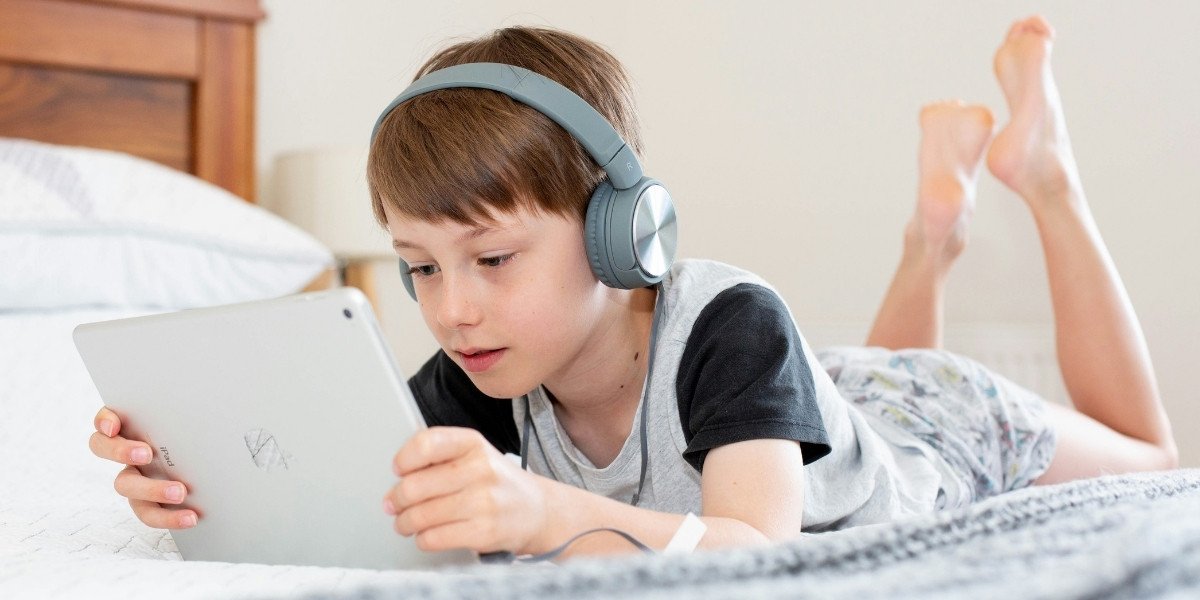
You don’t need a fancy home theater to enjoy spatial audio. Most newer smartphones, tablets, and laptops support it through streaming apps like Apple Music, Netflix, and Disney+. All you need is a pair of compatible headphones—like AirPods Pro or Sony’s WH-1000XM5—and you’re good to go.

Some soundbars and smart speakers also support spatial formats. Dolby Atmos-enabled devices can bounce sound off walls to create a surround effect. And gaming consoles like the PlayStation 5 and Xbox Series X use spatial audio to make gameplay more immersive, helping players locate enemies or environmental cues.

Spatial Audio vs. Surround Sound

While both aim to create immersive experiences, spatial audio is more flexible. Surround sound requires multiple speakers placed around a room, which isn’t always practical. Spatial audio can simulate that same effect with fewer devices, making it more accessible for everyday users.

Surround sound is great for home theaters, but spatial audio works anywhere—on the go, at your desk, or in bed. It’s also more dynamic. With head tracking, some systems adjust the sound based on your movement, so the audio stays anchored even if you turn your head. This adds realism and keeps you engaged.

The Future of Immersive Sound

Spatial audio is still evolving. As more artists and studios adopt the format, we’ll see richer mixes and more creative uses. Virtual reality and augmented reality are already using spatial sound to enhance immersion, and live concerts may soon offer spatial streaming options.

For creators, it’s a new canvas. For listeners, it’s a deeper connection to the art. Whether you’re vibing to a new album or watching a sci-fi epic, spatial audio makes it feel like you’re part of the experience—not just a spectator.