
Spatial audio is the next evolution in how we hear music, movies, and games. Unlike traditional stereo sound, which plays audio from left and right channels, spatial audio creates a three-dimensional soundscape. It places instruments, voices, and effects around you—above, behind, and beside—making you feel like you’re inside the mix. Whether you’re streaming a concert or watching a blockbuster, spatial audio adds depth and realism that stereo just can’t match.
The technology behind spatial audio isn’t new, but it’s finally hitting the mainstream. Apple, Dolby, and Bose are pushing immersive sound into everyday headphones, soundbars, and streaming platforms. And artists are starting to mix albums specifically for spatial formats, giving listeners a whole new way to experience their work.
How Spatial Audio Works
Spatial audio uses advanced algorithms and audio filters to simulate how sound travels in real life. It mimics the way your ears detect direction and distance—like how footsteps sound different when they’re behind you versus in front. These cues are baked into the audio mix, so even with just two earbuds, your brain interprets sound as coming from multiple directions.
Dolby Atmos and Apple’s Spatial Audio are two of the most popular formats. They use object-based audio, which means each sound—like a guitar riff or a helicopter—is treated as a separate object that can be placed anywhere in 3D space. This is different from surround sound, which relies on physical speaker placement. Spatial audio can simulate surround effects using just headphones or a single speaker system.
Why Artists and Filmmakers Love It
For musicians, spatial audio opens up creative possibilities. Instead of being limited to left and right channels, they can position vocals in the center, drums behind, and ambient effects swirling around the listener. It’s like painting with sound. Billie Eilish, The Weeknd, and Travis Scott have all released spatial mixes that feel more immersive than their stereo versions.
Filmmakers are also embracing spatial audio to enhance storytelling. Action scenes become more intense when explosions rumble from behind or dialogue shifts as characters move. Horror films use spatial cues to build tension, placing eerie sounds just out of reach. Even indie creators are experimenting with spatial sound design to add emotional depth to their work.
The highly anticipated Barbie Premiere Dominates Hollywood drew an A-list crowd, setting the tone for this year’s awards season.
Where You Can Experience Spatial Audio

Photo Credit: Unsplash.com
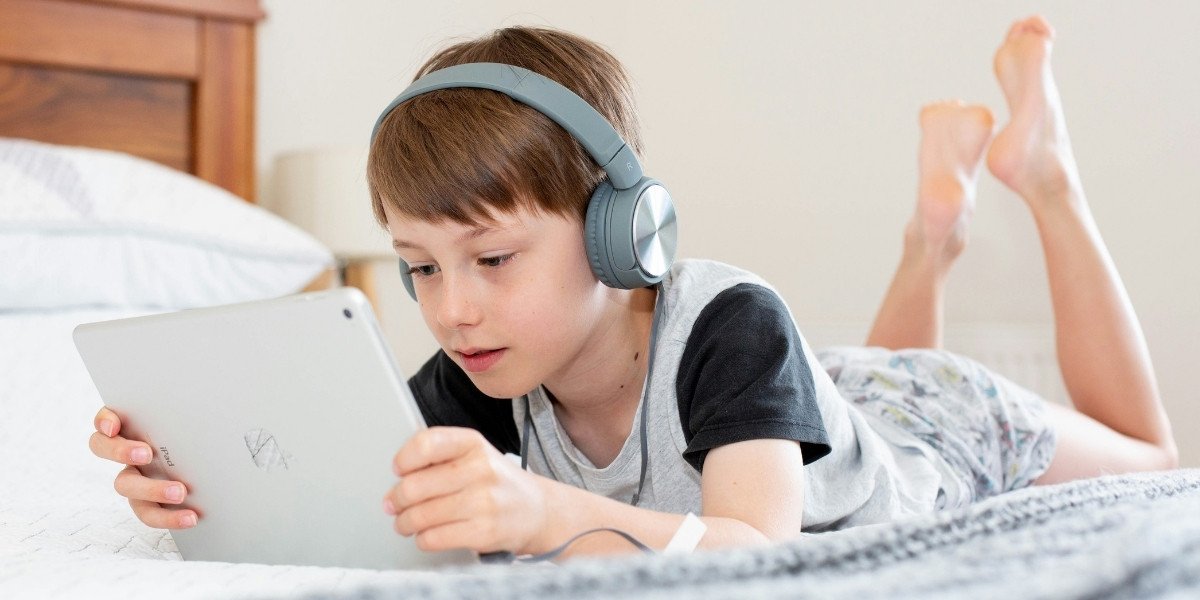
You don’t need a fancy home theater to enjoy spatial audio. Most newer smartphones, tablets, and laptops support it through streaming apps like Apple Music, Netflix, and Disney+. All you need is a pair of compatible headphones—like AirPods Pro or Sony’s WH-1000XM5—and you’re good to go.
Some soundbars and smart speakers also support spatial formats. Dolby Atmos-enabled devices can bounce sound off walls to create a surround effect. And gaming consoles like the PlayStation 5 and Xbox Series X use spatial audio to make gameplay more immersive, helping players locate enemies or environmental cues.
Spatial Audio vs. Surround Sound
While both aim to create immersive experiences, spatial audio is more flexible. Surround sound requires multiple speakers placed around a room, which isn’t always practical. Spatial audio can simulate that same effect with fewer devices, making it more accessible for everyday users.
Surround sound is great for home theaters, but spatial audio works anywhere—on the go, at your desk, or in bed. It’s also more dynamic. With head tracking, some systems adjust the sound based on your movement, so the audio stays anchored even if you turn your head. This adds realism and keeps you engaged.
The Future of Immersive Sound
Spatial audio is still evolving. As more artists and studios adopt the format, we’ll see richer mixes and more creative uses. Virtual reality and augmented reality are already using spatial sound to enhance immersion, and live concerts may soon offer spatial streaming options.
For creators, it’s a new canvas. For listeners, it’s a deeper connection to the art. Whether you’re vibing to a new album or watching a sci-fi epic, spatial audio makes it feel like you’re part of the experience—not just a spectator.