Entertainment Post

Why Public Fascination with Celebrity Personal Lives Persists

The public fascination with celebrity personal lives has long been a cultural phenomenon that shapes media, entertainment, and social interaction. From tabloid headlines to social media buzz, people around the world are drawn to stories beyond the spotlight, wanting to understand the human behind the fame. But what fuels this fascination, and why does it continue to captivate audiences globally?

Celebrities occupy a unique space in society, acting as both aspirational figures and relatable individuals. Their personal lives offer a glimpse into experiences that can seem glamorous, dramatic, or sometimes painfully ordinary. This duality creates a compelling narrative that invites curiosity, empathy, and sometimes judgment from the public. Understanding this allure reveals much about social psychology and cultural dynamics today.

Why Are Celebrity Personal Lives So Captivating?

People’s interest in celebrity personal lives often stems from a mix of emotional and psychological factors. One significant element is the desire for connection. Celebrities, despite their fame, are still human beings facing challenges and joys that mirror those of everyday people. Observing their relationships, struggles, and successes can provide a sense of companionship or understanding.

Social scientists note that this curiosity also satisfies a basic human need to make sense of others’ behaviors. Celebrities, living highly public lives, offer a rich source of stories that are easy to follow and discuss. Their actions become cultural touchpoints, sparking conversations about identity, values, and social norms.

How Does Media Influence Public Interest in Celebrity Lives?

The media plays a crucial role in amplifying the fascination with celebrity personal lives. Traditional outlets like magazines and television have long thrived on exclusive stories, while digital platforms now offer instant updates and direct engagement with celebrities themselves.

This constant flow of information allows fans to feel closer to their favorite figures, blurring the lines between public and private. Media framing often highlights conflict, romance, or dramatic moments, intensifying public interest. This cycle encourages more coverage, which in turn feeds the audience’s appetite for personal stories.

Experts warn that this dynamic can sometimes lead to an invasive culture where privacy is compromised. The balance between public interest and respect for personal boundaries remains a critical challenge in celebrity coverage.

What Role Does Social Media Play in Shaping Celebrity Narratives?

Social media platforms have revolutionized how the public accesses and interacts with celebrity personal lives. Celebrities now share moments directly, bypassing traditional media filters. This direct connection fosters a sense of authenticity and immediacy that can deepen fascination.

Fans engage through comments, likes, and shares, creating a participatory culture. This interaction makes celebrity stories more dynamic and widespread. However, it also exposes celebrities to intense scrutiny and sometimes misinformation.

Professionals emphasize the importance of media literacy in navigating these spaces. Audiences must critically evaluate the content they consume to understand its context and reliability.

Why Does Celebrity Personal Life Fascination Persist Across Cultures?

Why Public Fascination with Celebrity Personal Lives Persists

Photo Credit: Unsplash.com

The attraction to celebrity personal lives is not limited to one culture or region. It appears as a near-universal phenomenon, transcending language and geography. This suggests deep-rooted psychological and social mechanisms at play.

Anthropologists highlight that humans have always been drawn to storytelling, especially tales involving notable figures. Celebrities today fill a similar role as historical heroes or leaders, providing narratives that reflect societal ideals, conflicts, and aspirations.

Moreover, the modern media landscape connects diverse audiences, enabling global participation in celebrity culture. This shared interest creates common ground, fostering social bonds even among strangers.

How Does Fascination with Celebrity Personal Lives Affect Society?

The widespread attention on celebrity personal lives has both positive and negative social effects. On one hand, it can inspire discussions about important issues such as mental health, relationships, and personal growth when celebrities share their experiences candidly.

On the other hand, it can perpetuate unrealistic standards or distract from more pressing societal concerns. The focus on sensationalism sometimes leads to trivializing serious topics or encouraging voyeurism.

Sociologists suggest that a more mindful engagement with celebrity culture can enhance its benefits while reducing harm. Encouraging respectful curiosity rather than invasive obsession can create a healthier public dialogue.

The allure of celebrity personal lives taps into fundamental aspects of human nature—curiosity, connection, and storytelling. It reflects a complex interplay between individual psychology, media dynamics, and cultural trends. Recognizing these layers helps explain why this fascination endures and how it shapes both media landscapes and social interactions worldwide.

What Makes Theater Actors and Actresses Masters of Live Storytelling?

Theater is an ancient, living art form, and at its heart are the performers who breathe life into it. Theater actors and actresses do more than memorize lines or move across a stage—they transform into characters, carry emotions, and deliver truths that resonate deeply with audiences. Every gesture, every breath, and every pause carries weight in the theater. Their work, often unseen beyond the performance itself, is a product of discipline, emotional depth, and intense collaboration.

How Do Actors Embody Characters on Stage?

To play a character on stage is not simply to recite lines—it’s to become someone else entirely. Theater actors and actresses study scripts closely to uncover motivations, relationships, and inner conflicts. Their preparation is rooted in techniques developed over generations. The Stanislavski method encourages emotional truth and motivation behind every action. Method acting dives deeper into personal experience to find real emotional connections. Meanwhile, the Meisner technique focuses on responding truthfully in the moment, listening and reacting rather than performing.

Theater demands full transformation. Actors must feel their roles in their body language, posture, and even silence. The shift from their real identity to a fictional one must be so complete that the audience forgets they are watching actors at all. That immersion is what gives theater its emotional power.

Why Is Voice and Presence So Crucial on Stage?

Unlike film or television, theater relies on unfiltered performance. There are no microphones to correct vocal clarity in an intimate black box theater. There are no retakes. Theater actors and actresses must project their voices to reach the back row, articulate words with precision, and use tone and pacing to carry emotion.

Breath control is fundamental. Trained performers learn to support long monologues or musical notes with proper breathing techniques. Every word must be heard, but beyond volume, the voice must carry meaning.

Stage presence, too, goes beyond speaking. It includes movement, poise, and the ability to hold attention even in stillness. Actors use physicality to express subtext, shape scenes, and connect with audiences—who can feel the energy shift with a raised eyebrow or a carefully timed gesture.

How Do Ensemble Dynamics Shape a Production?

Theater is not a solo pursuit. Theater actors and actresses thrive within ensembles, where timing, trust, and communication shape each performance. Whether two actors are in an intense dramatic exchange or ten performers are in a choreographed sequence, their success depends on synchronization and awareness of one another.

Working closely with directors, designers, and stage managers, actors contribute to a shared vision. Rehearsals are filled with trial and error—testing ideas, adjusting energy, finding the right chemistry. Listening becomes as important as speaking. Every role, whether lead or ensemble, contributes to the rhythm and message of the show.

This collaborative spirit builds a unique kind of camaraderie. There’s an unspoken understanding among those who share the stage—that each performance is only possible through collective effort.

What Are the Realities of Performing Live?

Every performance is a high-wire act. Theater actors and actresses face the unique challenge of delivering consistent, believable performances while adapting in real time. If a line is missed, if a prop fails, or if a sudden noise distracts the audience, the show must go on. This requires improvisation skills, emotional control, and sharp focus.

What Makes Theater Actors and Actresses Masters of Live Storytelling?

Photo Credit: Unsplash.com

There is no pause button in theater. Every laugh, gasp, or moment of silence from the audience shapes the pacing. Energy must be sustained for hours, night after night. Yet, it is precisely this immediacy that makes live theater electric. The connection between performer and audience is visceral. Each show becomes a one-time-only event, shaped by who’s on stage and who’s watching.

What Does It Take to Become a Stage Performer?

The path to becoming a skilled stage actor involves years of training and experience. Formal education in performing arts programs provides structured learning in acting techniques, movement, and voice. But learning doesn’t stop in the classroom. Many theater actors and actresses continue their growth through workshops, improvisation classes, and stage work.

Developing a stage presence, mastering accents, or learning to handle stage combat all require guidance and repetition. Physical conditioning, vocal training, and script analysis become part of daily life. And because theater is an evolving form, staying current with new styles and approaches is essential for staying relevant.

Passion is a common trait among performers. It’s the fuel that drives them through long rehearsals, emotional vulnerability, and the unpredictability of live performance.

How Has Theater Acting Evolved Through the Ages?

The craft of acting has roots in ancient Greek tragedies, where performers wore masks and recited poetic dialogue in large amphitheaters. Over time, styles shifted—from the exaggerated movements of classical theater to the intimate realism of modern drama.

In Shakespeare’s time, language took center stage. In the 20th century, psychological realism became the dominant style, focusing on inner life and motivation. Today’s performers draw from a blend of traditions. Some productions embrace minimalism, while others integrate multimedia, dance, or audience interaction.

Theater actors and actresses must now be adaptable across styles and genres. The modern stage is a canvas of experimentation, and performers who master both the classical and contemporary find the most opportunity to grow.

Why Does Theater Matter in Communities?

Theater plays a powerful role in shaping cultural identity and community expression. Local productions, whether small-scale or large, reflect the stories, values, and issues relevant to the community. They offer a platform for emerging artists and foster empathy among audiences.

Theater actors and actresses contribute to a vibrant artistic scene. They bring stories to life that inspire, provoke thought, and build connection. As global trends influence local performances, there’s a growing fusion of traditional forms and modern techniques, enriching the theater landscape.

Through workshops, outreach, and performances, actors help cultivate new talent and expand access to the performing arts—ensuring theater remains a living, breathing force within the cultural fabric of the community.

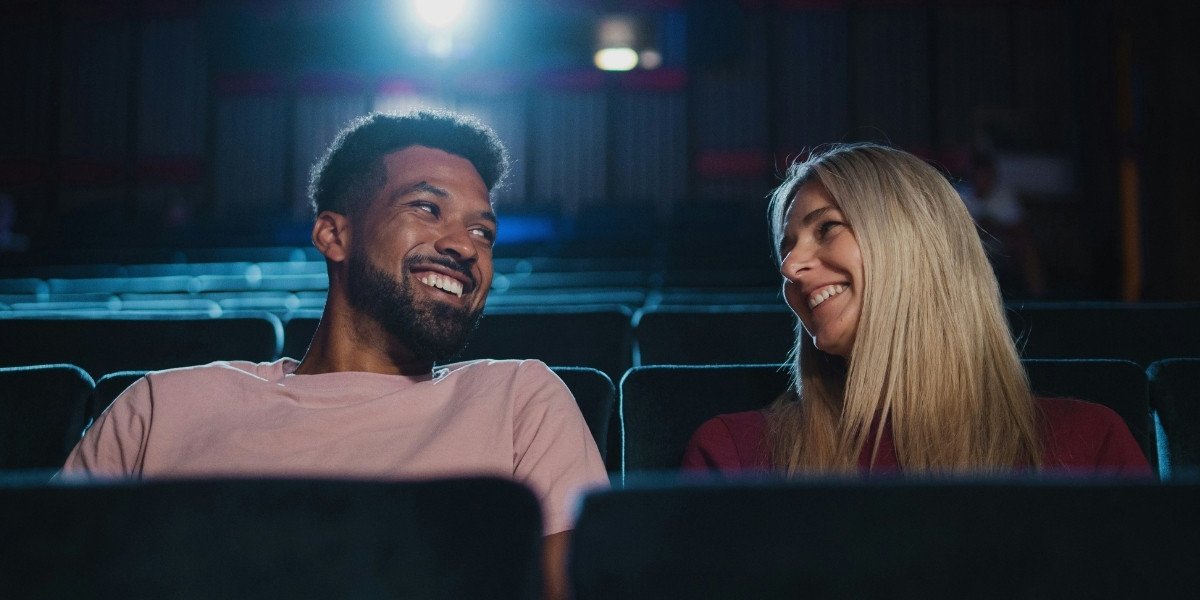
The Attention Needed to Get Through Slow Burn Movies

Slow burn movies are a unique and compelling genre of cinema. Rather than relying on quick action or rapid plot twists, they take their time to build tension, develop characters, and create atmosphere. For many viewers, these films can be a deeply immersive experience, but they also require patience and a different kind of engagement. This article explores the key elements of slow burn movies, how they demand the viewer’s attention, and why they remain a rewarding genre despite their deliberate pacing.

What Are Slow Burn Movies?

Slow burn films are characterized by their gradual development, focusing on slow, deliberate pacing and long-term emotional or psychological tension. Unlike fast-paced thrillers or action movies, slow burns build their stories over time, allowing tension to increase gradually until a climactic payoff. These films are often more concerned with atmosphere and character development than immediate plot twists or action. The slow burn technique requires the audience to be patient and attentive, but for those willing to invest, the payoff can be significant.

Key Characteristics of Slow Burn Films

Slow burn films share several defining traits:

  • Gradual Plot Unfolding: The story develops slowly, with key information revealed piece by piece.
  • Atmospheric Tension: Instead of fast-paced action, slow burns use atmosphere, mood, and tension to engage the audience.
  • Character-Centered: These films often focus deeply on character development, letting the audience learn about the characters’ motivations and inner lives over time.
  • Subtle Foreshadowing: Small details or subtle hints early in the film may not make sense until later, adding depth and rewarding careful attention.

The Appeal of Slow Burn Films

What makes slow burn films so appealing? While some viewers may struggle with their pacing, for others, the slow buildup is part of the allure. These films offer a sense of anticipation, immersing viewers in a world that is gradually revealed, often with subtle hints that only become clear as the story unfolds.

Building Suspense Over Time

The core appeal of slow burn films lies in their ability to create suspense. Tension isn’t introduced with quick, dramatic moments; instead, it builds over time. This slow accumulation of suspense allows viewers to feel a deep emotional connection to the film. The gradual unveiling of details and the lack of immediate resolutions heightens the payoff when the climax finally arrives.

Immersive Storytelling

Slow burns invite viewers to engage more deeply with the characters and the world around them. With a slower pacing, the film has more time to focus on the setting, the characters’ inner lives, and the subtle shifts in their relationships. This depth of storytelling offers a more immersive experience than many faster-paced films, allowing the audience to get lost in the unfolding narrative.

Psychological Engagement

Slow burn films also require more psychological engagement from the viewer. These movies often rely on the viewer’s ability to read between the lines, to interpret clues and understand nuances in dialogue and body language. For those who enjoy dissecting films and uncovering layers of meaning, slow burns can be incredibly rewarding.

Types of Slow Burn Movies

Slow burn films span across many genres, from psychological thrillers to drama to horror. While each genre may approach the technique differently, all slow burn films share the common characteristic of extended, careful pacing.

Psychological Thrillers

Psychological thrillers often use slow burns to build an atmosphere of unease and suspense. These films usually focus on the mental states of the characters, slowly unraveling their psychology in ways that make the viewer question what is real. Examples include films like Hereditary and The Witch, which combine subtle tension with psychological horror to keep the viewer on edge.

Horror and Suspense

In horror films, the slow burn is often used to create a pervasive sense of dread rather than immediate terror. Classic films like The Shining or more recent slow burns like Midsommar slowly build an atmosphere of fear, letting the tension rise gradually until it reaches a breaking point. These films may take their time to show glimpses of something supernatural or sinister, but it is the anticipation that keeps the audience engaged.

Drama and Character Studies

Some of the most powerful slow burn films are character-driven dramas, where the slow pace allows for an in-depth exploration of the characters’ emotions and struggles. Films like There Will Be Blood or Moonlight take their time to develop the internal lives of their protagonists, offering rich emotional rewards by the time the story reaches its climax.

Crime and Mystery

In crime or mystery films, slow burns can keep audiences guessing and engaged as they follow clues that gradually come together. Movies like Zodiac or Gone Girl use a slow, deliberate approach to build the story around subtle hints and clues, creating a sense of suspense and mystery that compels viewers to keep watching.

Pacing and Structure: How Slow Burn Films Work

The Attention Needed to Get Through Slow Burn Movies

Photo Credit: Unsplash.com

Slow burn films are all about pacing. Unlike fast-paced thrillers or action movies that rely on constant action to hold the viewer’s attention, slow burns use the gradual development of plot and character to keep the viewer engaged. The pacing is intentional, designed to make the payoff more satisfying.

Gradual Plot Unfolding

In slow burn films, the plot often unfolds in a way that feels almost imperceptible. The story is revealed in small pieces, with each scene building on the last. This slow unfolding allows the viewer to slowly piece together the narrative, making the final revelation all the more impactful.

Time as a Tool for Tension

Time plays a key role in slow burn films. The long, drawn-out pacing serves to heighten tension, allowing it to build to a boiling point. In this way, time becomes a tool for increasing emotional and psychological engagement, as the audience becomes more and more invested in the slow developments of the film.

Subtle Foreshadowing

Slow burn films often use foreshadowing in a very subtle way. Small details or seemingly minor scenes early in the film may not make sense at first but are later revealed to be crucial to the overall story. This makes slow burns particularly rewarding for attentive viewers, as they can piece together clues and see how they fit into the broader narrative.

The Challenge of Patience

One of the main challenges of slow burn films is the need for patience. These films demand that the audience invest time and attention before they reach their climax. This can be difficult for modern viewers, who are used to faster-paced media, where information is revealed quickly and action comes early.

Shifting Expectations

In an age of quick gratification and fast-paced media, slow burn films often clash with modern expectations. Today’s audience is more accustomed to faster pacing and instant plot developments, which can make the slow buildup in these films feel tedious. However, for those who are willing to embrace the slower pacing, the payoff can be much more rewarding.

Emotional Payoff

The slow buildup of tension and character development in these films leads to a more emotionally satisfying payoff. The payoff often feels earned because it is the result of careful, deliberate storytelling. Viewers who invest the time and patience to sit through the slower moments of the film often find themselves rewarded with a deeper emotional or psychological impact by the end.

The Role of Cinematic Techniques

Slow burn films rely heavily on cinematic techniques to create their atmosphere and tension. Filmmakers use a variety of tools to build tension over time, from lighting to sound to editing.

Long Takes and Static Shots

Many slow burn films use long takes or static shots to allow scenes to develop without interruption. This technique can build tension and focus attention on small details, forcing the viewer to engage with the scene for an extended period.

Sound and Silence

Sound design plays an important role in slow burn films. Silence, in particular, can be incredibly effective at building tension, as it forces the viewer to focus on the subtleties of the scene. The use of ambient sound or minimalistic score can also help create an unsettling atmosphere.

The Reward of Patience

Slow burn movies are a unique and often rewarding experience for those willing to give them the time and attention they require. These films ask viewers to invest emotionally and intellectually, providing a deeper and more immersive experience than faster-paced films. While slow burns can be challenging for audiences accustomed to quicker pacing, the payoff—when it arrives—often feels more profound and satisfying. Through careful pacing, subtle foreshadowing, and in-depth character development, slow burn films offer a rich cinematic experience that is well worth the wait.