Entertainment Post

Live Concerts Are Going Digital with Music Apps

Why Are Music Apps Changing the Way Fans Attend Concerts?

Music is no longer limited to radio stations or physical venues. Over the past few years, music apps have transformed the way fans engage with artists. One of the biggest shifts has been the rise of live streaming concerts directly through these platforms.

Instead of purchasing tickets months in advance or traveling to distant cities, fans can now experience performances from the comfort of their own space. Whether it’s a living room, a park bench, or the inside of a car, music apps have made live access to concerts more flexible and more frequent.

The shift isn’t just about convenience. It’s also about inclusion. For many fans who cannot afford traditional concert experiences or are restricted by geography or mobility, music apps open up access in a way that live venues never could. These digital concerts offer a front-row feel without the crowd or travel costs.

How Do Music Apps Make Live Concerts More Accessible?

The appeal of streaming concerts lies in simplicity. A smartphone, an internet connection, and a music app are often all that’s needed. With one tap, users are transported into a performance space, watching their favorite artists live. Many platforms offer reminders, real-time comments, and interactive features that make each show feel personal and social.

For artists, it’s a chance to reach a broader audience without the logistics of touring. While nothing can replace the energy of a physical crowd, live streaming allows musicians to stay connected with fans, especially in moments when in-person shows are limited or impossible.

Some apps offer both free and paid access, letting users choose how they want to experience the concert. Premium options may include bonus content, backstage views, or post-show Q&A sessions. This flexibility has added a new layer to how concerts are structured and consumed.

What Features Make Live Concert Streaming Stand Out?

Live Concerts Are Going Digital with Music Apps

Photo Credit: Unsplash.com

The technology behind music apps has become more advanced, and that includes live performance streaming. High-definition video, surround sound, and real-time interaction are now standard features. Some apps even offer multi-angle viewing, letting users switch camera perspectives during a concert.

Live chat features create a sense of shared community. Fans can react, comment, and celebrate moments together, even from thousands of miles apart. For many, this communal energy brings back the social aspect of concerts that was once limited to physical venues.

Artists can also use these tools to speak directly to fans, take song requests, or even preview unreleased tracks. This immediacy and intimacy set streamed performances apart from studio recordings or pre-recorded music videos. It’s real, unscripted, and sometimes unpredictable—which only adds to the thrill.

Are Music Apps Shaping the Future of Concert Culture?

Concert culture is evolving, and music apps are at the center of that change. The traditional model of touring city to city is being supplemented—not replaced—by virtual shows. These digital events allow artists to maintain visibility between tour cycles and connect with fans across time zones.

This shift doesn’t mean physical shows are going away. Instead, it shows that music apps are adding a new dimension to the experience. Hybrid concerts, where live performances are streamed at the same time they are played in-person, are becoming more common. This allows global participation in events that would otherwise be exclusive to one location.

Even independent artists with limited resources now have access to global stages. Through music apps, they can build fanbases, release performances, and monetize their work without the cost of a tour. That changes the game, especially for emerging musicians trying to find their voice in a crowded industry.

What Are the Long-Term Impacts of Live Streaming on Music Apps?

The growth of live streaming is reshaping audience expectations. Fans want more than just songs—they want presence, interaction, and the feeling of being seen. Music apps that offer these elements are more likely to maintain user loyalty and attract new listeners.

For the music industry, these changes open up fresh opportunities. Brands are beginning to sponsor live streams, while ticketing models are adapting to include digital passes. Some apps are exploring virtual merchandise booths or tipping systems, giving fans more ways to support artists.

Data analytics is another key area of development. Music apps can track viewership, engagement, and preferences in real-time, helping artists understand what works and what doesn’t. This level of feedback was never possible at traditional venues, where audience reactions were mostly felt but rarely measured.

As platforms continue to innovate, the role of music apps will likely expand. What started as a way to play songs on demand is quickly becoming a full-fledged performance stage, community hub, and career-building tool for artists.

From Couture to Celebrity: Inside the World of Red Carpet Glamour

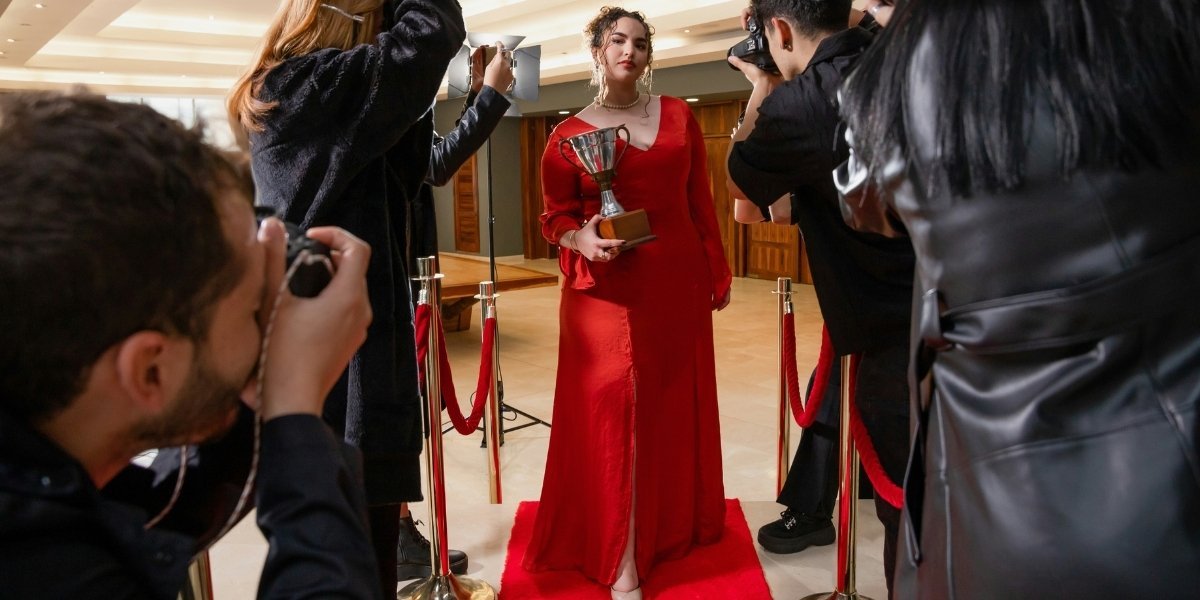
Hollywood’s red carpet remains an essential platform where celebrities showcase not only their acting talent but also their influence on global culture. In 2026, these events have evolved from simple fashion showcases into key cultural moments that shape trends, influence public perceptions, and drive the business of fashion. From the Golden Globe Awards to upcoming premieres, the red carpet has become a place for bold fashion statements, social commentary, and brand visibility.

Golden Globe Awards Set the Tone for 2026 Fashion

The 83rd Golden Globe Awards, held in early January, kicked off the 2026 awards season with standout fashion moments. Celebrities like Ariana Grande, Selena Gomez, and Amal Clooney turned heads in classic, glamorous designs. The red carpet saw a return to Old Hollywood-inspired styles, with sleek silhouettes and daring color choices becoming the defining trends of the evening.

Zendaya, a perennial red carpet favorite, took a bold step forward with a futuristic custom Versace gown that quickly became a trending topic on social media. Her look sparked conversations not only about fashion but also about representation and beauty standards in Hollywood. The Golden Globes underscored the growing power of red carpet appearances as platforms for both personal expression and broader social commentary. Celebrities are increasingly using their fashion choices to reflect their values, shifting the red carpet from a simple fashion event to a stage for personal branding.

Critics’ Choice Awards Showcase Vibrant Red Carpet Fashion

Following the Golden Globes, the 31st Critics’ Choice Awards held on January 4, 2026, provided another look at the red carpet trends defining the awards season. Celebrities like Jennifer Lawrence, Jenna Ortega, and Jenna Coleman wore looks that pushed the boundaries of classic red carpet fashion, with vibrant colors and creative designs from designers like Balmain, Gucci, and Fendi.

The Critics’ Choice Awards highlighted how fashion on the red carpet has become a space for stars to showcase their individuality. Tailoring was sharp, but many stars embraced vibrant accents and innovative cuts, emphasizing the evolving nature of red carpet fashion. These appearances reflect a shift from conventional elegance toward a more experimental, personal approach to style.

The Influence of Social Media on Celebrity Fashion

In 2026, social media platforms such as Instagram, TikTok, and Twitter play a pivotal role in amplifying red carpet moments. Celebrities and their stylists are keenly aware of the power of these platforms to turn a red carpet look into a viral sensation. A single image or video from an event can instantly generate millions of impressions, influencing fashion trends and setting new standards for beauty.
From Couture to Celebrity: Inside the World of Red Carpet Glamour

Photo Credit: Unsplash.com

Zendaya’s appearance at the Golden Globe Awards, for example, sparked a wave of conversation about beauty standards and inclusivity. Her look, paired with her public advocacy for diversity in fashion, resonated deeply with fans and critics alike. In this age of instant gratification, red carpet appearances have become high-stakes events for both the celebrities and the designers involved, as the power to influence trends is now immediate and far-reaching.

The Business of Red Carpet Fashion

The red carpet is also a booming business. Designers, stylists, and brands collaborate to ensure that their creations stand out. Celebrities are often paid to wear certain designers, and brands use the red carpet as a platform to gain massive exposure. This mutual benefit has become a major driver of the fashion industry. For example, when Rihanna wears a standout piece by Balenciaga, the designer’s stock often skyrockets, and media coverage of the look generates millions in value. The red carpet, then, is not just a space for fashion—it’s a marketplace where commercial success is directly linked to celebrity appearances.

Sustainability and Inclusivity: Shaping the Future of Red Carpet Fashion

Looking ahead, the future of red carpet fashion will be influenced by cultural shifts, sustainability, and the demand for diversity and inclusivity. The industry is increasingly focusing on eco-friendly materials, and stars are using their platform to highlight sustainable fashion choices. Celebrities like Emma Watson and Leonardo DiCaprio have long been advocates for environmental issues, and their influence continues to push the fashion industry in a more sustainable direction.

In 2026, the conversation around inclusivity is also front and center. The red carpet continues to be a space where gender norms are challenged, as seen with Emma Corrin’s gender-fluid suit at the Golden Globe Awards. This moment sparked conversations about gender expression, and it exemplifies how the red carpet has become a platform for promoting diversity in all its forms. As the red carpet evolves, we can expect even more emphasis on diverse, sustainable, and inclusive fashion choices, shaping the cultural and business landscape of the future.

The Lasting Impact of Red Carpet Glamour

Red carpet events are more than just moments of glamour—they are key cultural touchstones that influence fashion, media, and public perceptions. The intersection of celebrity, fashion, and culture on the red carpet drives conversations on beauty standards, identity, and social issues, making these events far more significant than just showcases of style.

As we move further into 2026, red carpet moments will continue to reflect the broader cultural shifts in fashion, sustainability, and inclusivity. With each award season, these glamorous moments redefine the intersection of celebrity and commerce, proving that the red carpet is not just a space for stunning fashion—it is a cultural force that shapes conversations, trends, and business strategies.
Ariana Grande Oversized Hoodies Era Explained: ‘Wanted to Hide Away’

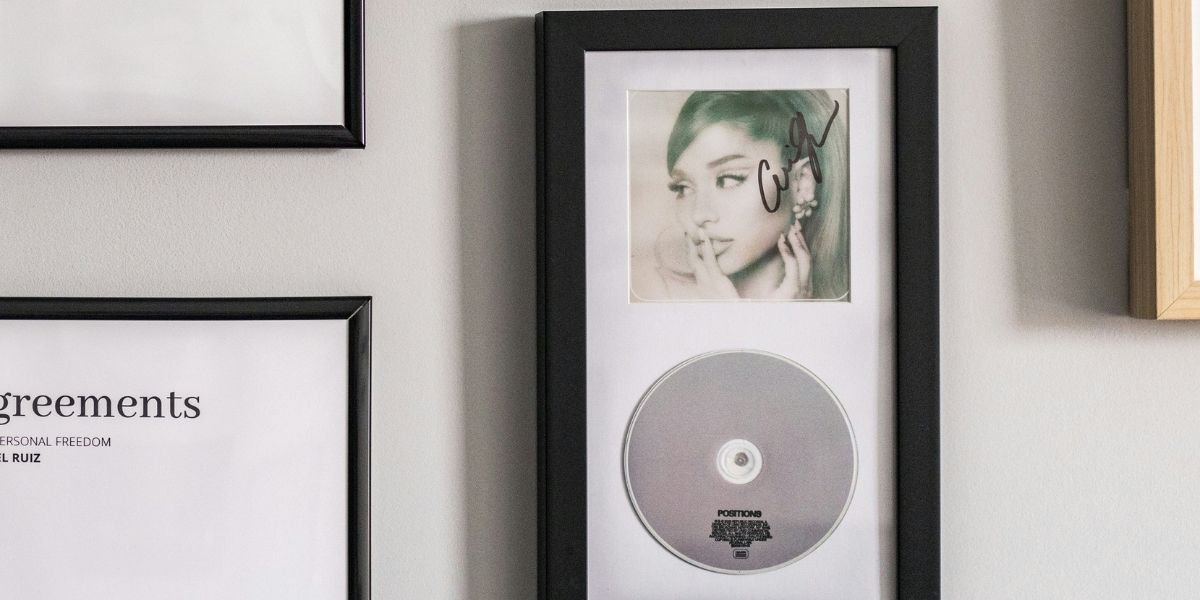
In 2018, Ariana Grande’s oversized hoodies paired with thigh-high boots became one of the most talked-about celebrity looks of the late 2010s. The style quickly became synonymous with the pop star, inspiring countless fans to replicate the look across social media platforms. While many saw it as a bold and fashionable choice, Grande herself later revealed that the story behind this signature style was far more personal. In an interview for Vogue’s Life in Looks series, Grande explained that her decision to wear oversized clothing at the time was more about emotional survival than about trendsetting or style.

The Personal Struggles Behind Ariana Grande’s Fashion

2017 and 2018 were years of immense personal turmoil for Ariana Grande. In May 2017, a bombing took place at her concert in Manchester, England, resulting in the tragic loss of 22 lives. This traumatic event, which not only affected Grande personally but also her fans and the broader public, left a lasting impact on the singer. The emotional toll was immense, and the recovery process, both for herself and her fans, was long and challenging.

Then, in September 2018, another devastating blow hit her personal life. Grande’s ex-boyfriend, rapper Mac Miller, tragically passed away from an overdose. This second loss was particularly difficult for Grande, who had been deeply affected by their relationship and the suddenness of his passing. These personal tragedies unfolded under the constant scrutiny of the public eye, with the media following her every move. In the face of these hardships, Ariana Grande found herself seeking solace in her fashion choices.

The oversized hoodies, which had become a key part of her look, provided a way for her to cope with the overwhelming pressure of being constantly in the public spotlight. Grande later revealed that during this period, she often felt the need to “hide away,” with the oversized clothing acting as a form of emotional shielding. For her, this wasn’t about setting trends—it was about finding a small sense of comfort and security amidst the chaos of her personal life.

Why Oversized Hoodies Became Ariana Grande’s Signature Look

For Grande, the oversized hoodie look was more than just a style choice—it was a way to manage the emotional weight she was carrying. The hoodies offered a form of physical and emotional protection, concealing her body and offering a sense of anonymity. As a public figure, she was constantly under the microscope, and these oversized clothes provided her with a much-needed sense of privacy during a time when she felt exposed to the world.

Her thigh-high boots, which had become a signature element of her fashion, remained part of the look, adding a sense of continuity to her public image. While the boots remained a familiar part of her style, the oversized hoodies helped balance the attention, allowing her to retreat into the comfort of her clothes. The pairing of the two elements became a subtle statement of self-preservation. Rather than focusing on her appearance, Grande was focused on managing her personal grief while remaining visible to the public.

At the time, Grande admitted that she had little energy to devote to her wardrobe, stating that fashion was not a priority during such a challenging time. The oversized hoodie-and-boots combo thus became an “unofficial uniform” for her—something that allowed her to maintain some level of public presence without feeling overwhelmed by the external pressures of being a global superstar.

How Ariana Grande’s Style Became a Reflection of Her Journey

While many fans embraced Ariana Grande’s oversized hoodie look as a trendy, chic fashion statement, the deeper story behind it remains far more complex. What seemed to be a bold, effortless style choice was, in fact, a deeply personal coping mechanism. Grande’s look, which many saw as a style trend, was her way of navigating grief and maintaining some sense of normalcy in her professional life while dealing with private heartache.

The oversized hoodie era became not just about fashion but about the human experience of vulnerability, resilience, and self-care. Grande’s openness about this aspect of her personal journey allows fans to connect with her on a deeper level. It offers insight into how even the most famous celebrities experience difficult moments in life, just like anyone else, and how they navigate those moments in the public eye.

From Oversized Hoodies to Glamorous Gowns

Since 2018, Ariana Grande’s fashion choices have evolved significantly. She has been seen in a range of glamorous gowns, tailored outfits, and bold stage costumes. Her style has matured over time, reflecting her growth as an artist and her evolving personal journey. Despite this shift, the oversized hoodie look still stands as one of the most memorable and defining fashion moments of her career.

This period marked a time when Grande faced significant personal grief, and her choice of fashion reflected a way of dealing with those emotions. As she has moved forward, her style has become more polished and elaborate, but the oversized hoodie era remains an important part of her overall fashion evolution. It was a chapter that helped define her public persona at a time when she needed protection, both physically and emotionally.

Ariana Grande’s Use of Clothing to Cope

Ariana Grande’s oversized hoodie look underscores the emotional power that fashion can hold. Clothing can be more than just a reflection of trends or aesthetics—it can also provide emotional support and act as a form of self-care. For Grande, her oversized hoodies became a shield against the emotional weight of her personal tragedies. The simple act of choosing comfort over fashion allowed her to create a small space of emotional safety while navigating the intense pressures of being a public figure.

Her decision to wear oversized hoodies during such a difficult time also sheds light on how fashion can be an intimate expression of one’s emotional state. It challenges the common perception of fashion as just a superficial element of celebrity culture, revealing how deeply personal the relationship between style and emotional well-being can be.

More Than Just a Fashion Icon

Ariana Grande’s oversized hoodie era has since become a defining chapter in her career. While it was initially seen as a style trend, it now holds much deeper significance. It serves as a reminder of the resilience, vulnerability, and strength she demonstrated during a time of personal hardship. Her openness about the story behind her fashion choices has invited fans to see her not just as a style icon, but as a person who has faced immense challenges and found ways to cope with them in her own way.

As her fashion continues to evolve, this moment from 2018 will remain an important part of Ariana Grande’s legacy. It’s a testament to the emotional connection that can exist between a celebrity and their audience, and a powerful example of how clothing can serve as more than just a visual expression—but as a tool for survival and healing.