
Star Wars: The Mandalorian and Grogu arrives in U.S. theaters on May 22, bringing Din Djarin and Grogu from Disney+ to cinemas after years of franchise focus on streaming. The film marks the first theatrical Star Wars release since The Rise of Skywalker in 2019, giving Lucasfilm a closely watched test of whether one of its streaming era breakouts can draw moviegoers back to the big screen.
Directed by Jon Favreau, the film stars Pedro Pascal as Din Djarin, with Sigourney Weaver appearing as Colonel Ward and Jeremy Allen White voicing Rotta the Hutt. Official Star Wars materials describe the story as a New Republic era adventure in which Din Djarin and Grogu are enlisted as Imperial warlords remain scattered across the galaxy. The movie was filmed for IMAX, a detail Lucasfilm has used to frame the project as more than an extended television chapter.
A Theater Bet Built Around Grogu
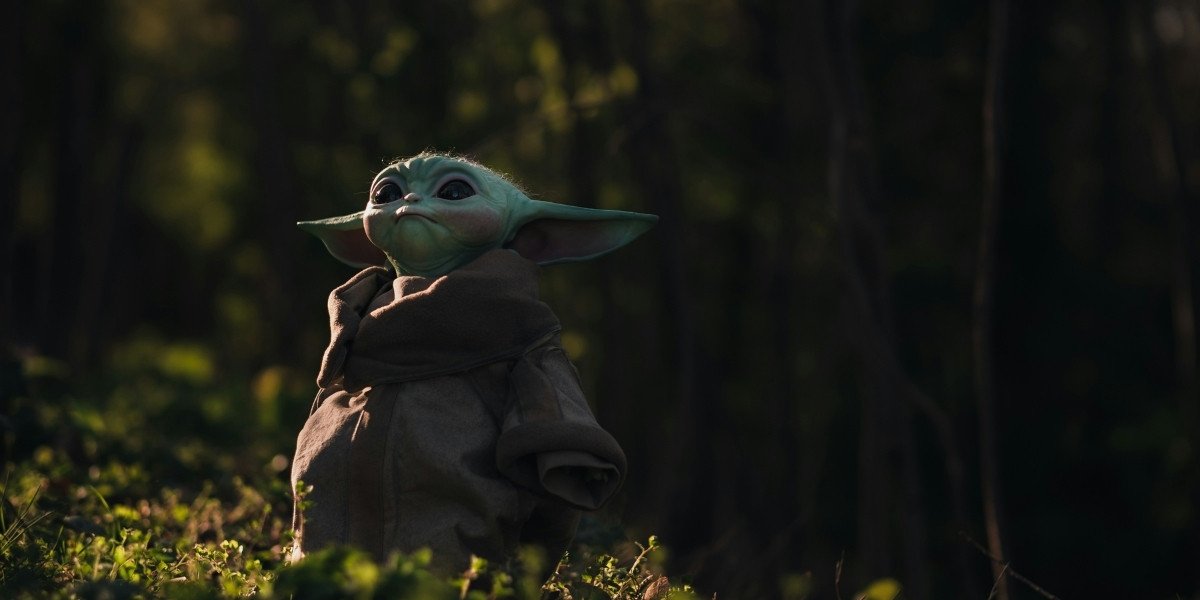
The release places Grogu, still widely called “Baby Yoda” by casual viewers, at the center of Disney’s theatrical strategy for the franchise. Reuters reported that the movie carries a reported production cost of about $165 million and is projected to open between $75 million and $100 million in the U.S. and Canada over Memorial Day weekend. Those figures suggest a cautious but meaningful return for Star Wars in cinemas after a long gap between film releases.
The appeal is clear. Grogu became one of the franchise’s widely recognized modern characters after debuting in The Mandalorian on Disney+. The character’s bond with Din Djarin gave the series a simple emotional center, built around protection, loyalty, and found family rather than heavy mythology. That relationship now carries a theatrical release aimed at families, longtime fans, and viewers who may know Grogu more from pop culture than from every episode of the series.
Favreau has also framed Grogu’s story as one with room to grow. In official Star Wars coverage, he discussed Grogu’s coming of age and the character’s unusual path between Mandalorian training and Force sensitivity. That gives the film a built-in question for audiences: whether a character introduced as a quiet scene stealer can carry a larger movie story without losing the charm that made him stand out.
Critics See Charm, But Not a Full Breakout
Early critical response has been mixed. Rotten Tomatoes’ editorial roundup said critics praised the action, visuals, and the Din Djarin and Grogu dynamic, while also noting concerns about a thin story and reliance on familiar franchise elements. Radio Times reported that the film held a lukewarm Rotten Tomatoes score after the review embargo lifted, with its own critic giving the movie three stars and describing it as an enjoyable but limited franchise entry.
The Guardian described the film as a large-scale cinematic spin-off that follows Din Djarin and Grogu on a mission involving the New Republic, Rotta the Hutt, and an Imperial warlord. Its review pointed to familiar Star Wars ingredients, including alien creatures, starships, and battles, while suggesting the film does not always match the warmth and emotional force associated with stronger franchise entries.
That split response may shape the film’s opening conversation. For viewers already attached to Din Djarin and Grogu, the movie appears to offer the comfort of recognizable characters in a bigger format. For critics looking for a bold theatrical reset, the response so far suggests a more modest result. The film may work better as a crowd-friendly bridge from streaming to theaters than as a dramatic reinvention of Star Wars cinema.
Familiar Faces Give the Film Its Pull
Pascal’s return gives the film a recognizable lead presence, even with Din Djarin’s helmet still central to the character. The marketing has also leaned into Pascal’s connection with fans. Days before the release, he appeared at Disneyland’s Star Wars: Galaxy’s Edge in Mandalorian armor as part of the promotional push, a moment that quickly became part of the film’s final publicity cycle.
Weaver’s casting adds another layer of sci-fi recognition. Her role as Colonel Ward places a new authority figure into the New Republic side of the story, while White’s Rotta the Hutt gives the movie a link to the wider Hutt crime world. Official trailer coverage also noted appearances and references tied to the broader franchise, including Zeb Orrelios and other alien characters.
The risk is balance. The Mandalorian worked on television because its episodic structure allowed short missions, quiet exchanges, and gradual world-building. A theatrical movie needs sharper momentum. Based on early reviews, The Mandalorian and Grogu seems to lean on action, scale, and character recognition, while drawing more cautious reactions over whether its story feels large enough for the format.