
Television has no shortage of crime dramas, but few psychological thrillers arrive with the kind of built-in intrigue that surrounds J.D. Barker’s 4MK series.
With a chilling serial killer at its center, an obsession-driven detective, and a narrative built on escalating revelations, the bestselling trilogy has long felt destined for the screen.
That adaptation is now officially underway.
Balboa Productions, founded by Sylvester Stallone, is developing a television series based on J.D. Barker’s 4MK series. Channing Powell, best known as the showrunner of Tales of the Walking Dead, will write, serve as showrunner, and executive produce the project.
The announcement, first reported by Deadline on May 19, marks a significant step in bringing one of contemporary crime fiction’s most unsettling stories to a wider audience.
For long-time readers, the news is less of a surprise than a long-awaited confirmation. Barker’s novels have always been driven by cinematic pacing, psychologically layered characters, and cliffhangers that reward binge reading.
Those same qualities have become defining features of today’s most successful prestige television dramas.
Why 4MK Was Built for This
Some books get optioned because they’re popular. Others get optioned because they were built for the format. J.D. Barker’s 4MK trilogy, The Fourth Monkey, The Fifth to Die, and The Sixth Wicked Child, belongs to the second category.
The books follow Chicago detective Sam Porter as he hunts a killer staging murders around the proverb “See no evil, hear no evil, speak no evil.”
Barker isn’t interested in shock for its own sake; he’s interested in what made the man capable of it and what it costs the people chasing him to find out.
That’s Anson Bishop. He is not a monster for spectacle’s sake but a product of conditioning, built over years, which is exactly what makes him hard to look away from.
He forces uncomfortable questions about justice and what childhood does to a person, long before adulthood gets a say.
Stallone has called the novels “tailor-made for premium television.” Powell has pointed to the tension and the emotional weight underneath it. Their attachment to the project suggests what the material offers beyond the usual crime-drama beats.
The Adaptation Is Only Half the Story
Barker isn’t just letting Hollywood adapt 4MK. He’s adding a whole new chapter to it.
The TV series will pull from the original trilogy and a brand-new prequel trilogy. The first book in that prequel series, The First Scarlet Door, comes out September 22.
It takes us back to 1999, in Charleston. Anson Bishop is fifteen, long before anyone knows him as the Four Monkey Killer. His parents raised him to believe murder was how you survive.
Then his house burns down, his mother disappears, and he thinks his old life is finally behind him.
It isn’t.
Someone is targeting Charleston’s forgotten kids, runaways, addicts, the kids nobody bothers to report missing. When people Bishop actually cares about start vanishing too, he’s forced through a literal scarlet door to face a killer more dangerous than anything he’s dealt with before.
This isn’t just a treat for long-time fans. It’s the origin story of how a boy turns into the man the world will come to fear. And it’s landing right as a whole new audience is about to meet him for the first time, through the TV show.
The Track Record Behind It
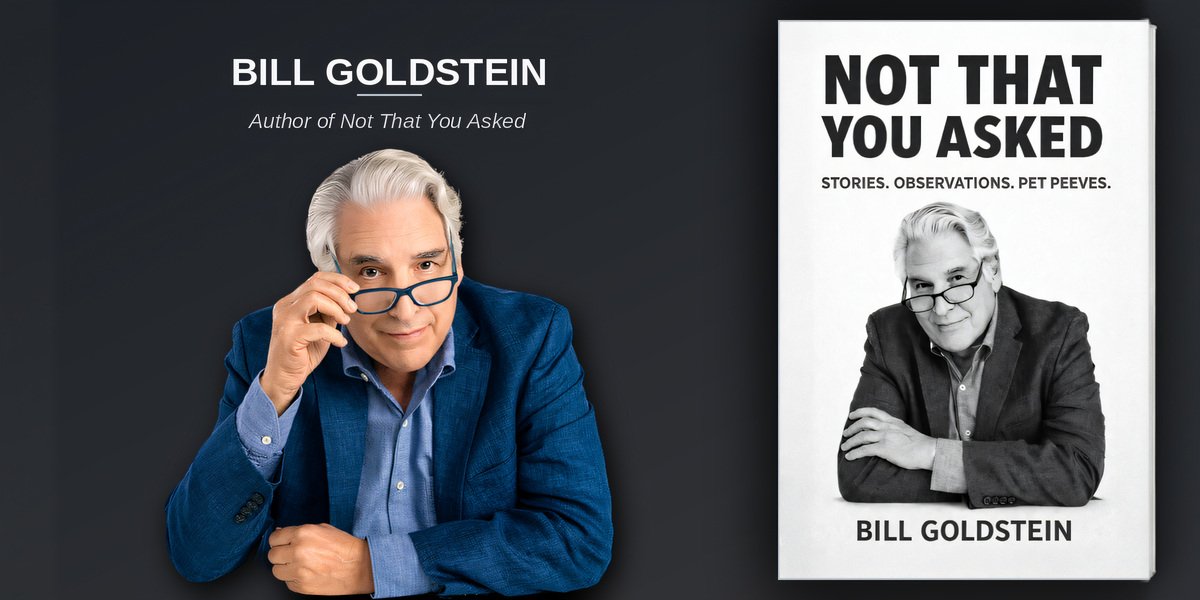
J.D. Barker is a New York Times and international bestseller published in more than 150 countries.
He’s collaborated with James Patterson on numerous novels, including The Writer, which debuted at #2 on the Times list, and co-authored Dracul with Dacre Stoker, a book that landed a Paramount deal with Andy Muschietti attached to direct. Various other titles written by Barker are working their way through Hollywood, heading for the screen.
It’s the kind of track record that makes clear his stories were never going to stay confined to the page.
Now, as the Four Monkey Killer stalks his way onto television for a whole new audience, Barker is pulling his longtime readers deeper into the shadows than ever before.
One story arrives on screen, and another door swings open behind it.