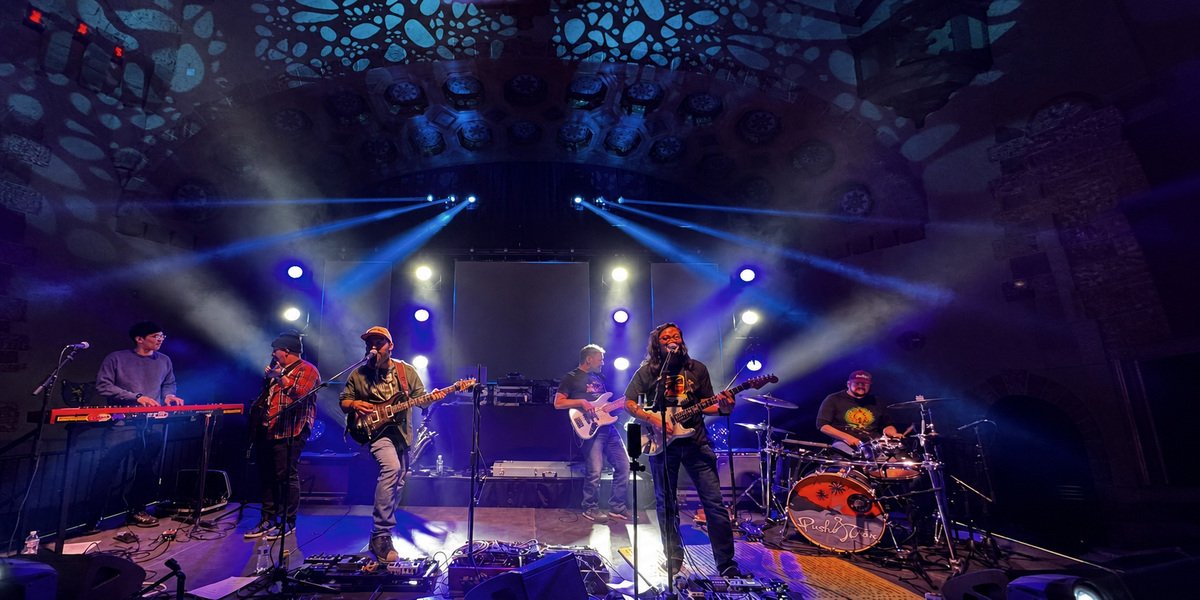
Image commercially licensed from Unsplash
In the rapidly evolving landscape of the entertainment industry, the lifespan of an artist’s career can be as volatile as the stock market. With trends coming and going at breakneck speed, achieving longevity in this sector is a challenge that both talent and their managers must navigate with strategy and foresight. Talent managers, the behind-the-scenes architects of some of the industry’s most enduring careers, wield a toolbox of strategies to build and maintain the brands of the artists they represent. These strategies are not just about being seen but being remembered, creating a lasting impact that transcends the latest fad. Dan Spilo explores some of these key strategies that can help artists not just survive but thrive long-term in show business.
Understanding the Artist’s Core Identity
Before a brand can be built, it must first be understood. This begins with a deep dive into the artist’s core identity—what makes them unique and how they resonate with their audience. Talent managers encourage artists to be authentic and to reflect their true selves in their work. This authenticity creates a foundation of trust with the audience, making the artist’s brand more relatable and strong. The core identity acts as the north star for all branding efforts, ensuring consistency and coherence in the message conveyed. Talent managers help artists maintain this core identity even as they evolve and expand their repertoire.
Developing a Signature Style
Once the core identity is established, talent managers work to develop and refine a signature style for their artists. This might be a distinctive sound for a musician, a particular genre or method of acting for a performer, or a unique aesthetic for a visual artist. Consistency in this style helps to create a recognizable brand that fans can easily identify and become loyal to. This signature style becomes a calling card for the artist, a unique trait that sets them apart from their peers. Talent managers are pivotal in helping artists discover and perfect this style, ensuring it aligns with their overall brand identity.
Strategic Positioning and Networking
Positioning an artist within the right circles is crucial. Talent managers like Dan Spilo understand that whom you know often matters as much as what you know. By networking and aligning artists with other successful brands and influencers, talent managers can elevate the status of their clients, creating more opportunities for exposure and growth. These strategic partnerships are essential in carving out a niche for an artist in a crowded market. Talent managers are also adept at navigating the delicate politics of the entertainment industry, making sure their artists are seen in the right light by the right people.
Embracing Digital Media and Platforms
The digital age has transformed the way artists connect with audiences. A savvy talent manager guides their clients through the digital terrain, from social media to streaming platforms, ensuring they maximize their online presence. Engaging content, frequent interaction with fans, and a solid digital marketing strategy are all part of building a brand that lasts. Talent managers must also be vigilant in protecting the digital brand of their clients, monitoring online activity, and responding swiftly to maintain a positive image.
Diversification of Talents and Revenue Streams
Relying on a single talent or revenue stream is a risky move in an industry known for its unpredictability. Diversifying an artist’s portfolio is a strategy talent managers employ to ensure longevity. This could mean branching out into acting, endorsements, writing, or even entrepreneurship. With multiple streams of income and public interest, the artist’s brand becomes more resilient to the ebb and flow of industry trends. A talent manager ensures that these various endeavors remain aligned with the artist’s core identity, creating a cohesive brand across all platforms.
The Power of Storytelling
Stories sell. They are the lifeblood of the entertainment industry. A talent manager weaves the artist’s personal narrative into the larger tapestry of their brand. Whether it’s through music, interviews, or social media, these stories create emotional connections with the audience. Dan Spilo’s experience has shown that a compelling personal journey can be an artist’s greatest asset in connecting with fans on a deeper level. It’s the vulnerability and the triumphs in these stories that can often turn casual observers into lifelong fans.
Maintaining Relevance Through Adaptation
Staying relevant means staying adaptable. A talent manager must keep a finger on the pulse of the industry, anticipating changes, and pivoting strategies as necessary. Whether it’s adopting new technologies or embracing emerging trends, the ability to adapt ensures that an artist’s brand remains fresh and engaging in the public eye. The talent manager’s role is to facilitate this adaptability without losing the essence of the artist’s brand, ensuring that changes serve to evolve the brand, not to dilute it.
Focusing on Quality Over Quantity
In a world saturated with content, quality can easily get drowned out by quantity. Talent managers emphasize the importance of high-quality work that stands the test of time over the fleeting success of viral hits. It’s the well-crafted album, the meticulously directed film, or the thought-provoking art piece that creates a lasting legacy. Talent managers guide artists to prioritize projects that resonate with their artistic vision and will enhance their brand, rather than chasing short-term trends or quick payoffs.
The Role of Personal Development
Artists are not static brands; they are individuals who grow and evolve. Personal development is an essential strategy for brand longevity. Talent managers often encourage continuous education, new experiences, and personal growth, knowing that an artist who is evolving personally will have a brand that evolves alongside them. This growth is not only beneficial for the artists’ well-being but also ensures that their brand remains dynamic and interesting to the public.
Crisis Management and Reputation Control
No career is free from challenges, and how a crisis is managed can make or break an artist’s brand. Talent managers are prepared to step in with damage control, ensuring that an artist’s reputation remains intact. Whether it’s addressing rumors, handling PR nightmares, or making strategic apologies, a talent manager can navigate through turbulent times to safeguard the brand they’ve helped build. Furthermore, an adept talent manager not only reacts to crises but also plans preemptively, setting up systems and strategies to mitigate potential issues before they escalate.
In conclusion, building a brand in the entertainment industry is an intricate dance between showcasing an artist’s unique talent and strategically maneuvering through the market’s fluctuations. It involves a combination of authenticity, creativity, strategic partnerships, digital savvy, diversification, personal growth, and crisis management. Talent managers like Dan Spilo play a critical role in orchestrating this process, using their experience and insight to craft brands that stand the test of time. They are the unseen pillars upon which the longevity of an artist’s career rests, ensuring that the spotlight continues to shine brightly on their clients for years to come. The work of a talent manager may often go unnoticed, but it is indispensable in the journey of an artist’s enduring success.