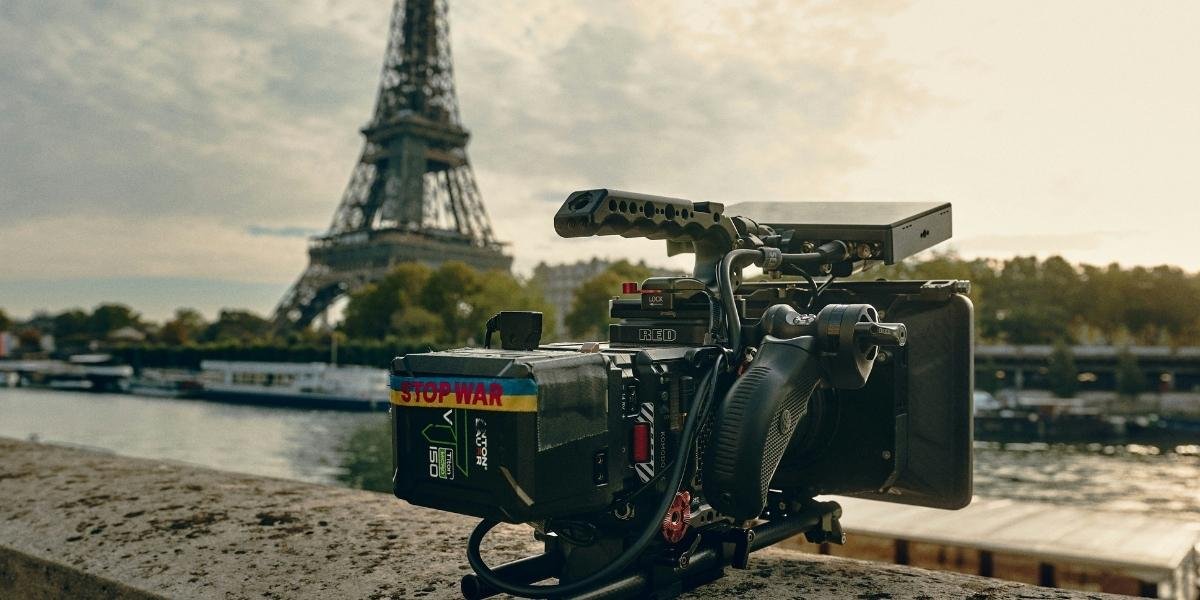
Smoking has left an indelible mark on our cultural landscape, including onscreen. According to this feature on France’s anti-tobacco laws, 90% of 150 films from 2015 to 2019 featured a ‘smoking event.’ Experts underscored the role of the “glamorization” of smoking in influencing audiences, and the French government consequently initiated a four-year anti-tobacco plan in 2024 to reduce the visibility of smoking. Such concerted efforts highlight the relationship between the portrayal of cigarettes in films and television and the real-life choices made by viewers.
It’s vital to note that a significant shift has occurred in the portrayal of smoking worldwide, with Hollywood productions also departing from the traditional glamorizing depictions of tobacco use. This is undoubtedly a positive step with profound implications for public health and societal perceptions.
The Evolution of Smoking in Cinema
The collaboration between tobacco companies and Hollywood reached its height in the late 1930s when movies such as
Gone with the Wind (1939) and Casablanca (1942) depicted smoking on screen. This resurged in the 1970s after cigarette commercials faced a ban on TV and radio.
As Congress probed into the marketing expenditures of tobacco companies in the 1980s to 90s, it became evident that the barter system and in-kind transfers, such as supplying films with cigarettes, were not fully disclosed. This spotlight forced productions to adopt a more conscientious approach. Instead of glamorizing smoking, movies and TV shows have begun to reflect changing societal attitudes towards smoking, choosing diverse narratives that omit smoking scenes or actively discourage tobacco use.
Tapering as a Positive Trend
The decline in on-screen tobacco portrayal heralds a new era. This study confirmed the link between the pervasive exposure to smoking imagery in films and an increased risk of smoking initiation among viewers. These principles imply that filmmakers can not only reflect but also influence societal attitudes towards smoking through their choice of onscreen narratives.
See the notable example of Amy in Brooklyn Nine-Nine, whose storyline involves a grueling smoking cessation journey. Here, Amy struggles to quit cold turkey and deals with consistent withdrawal symptoms, from irritation to cravings, throughout Season 2. This strategy of cold turkey isn’t always successful and its portrayal can discourage smokers from attempting cessation. It also doesn’t reflect the current reality: a rich market of smoking alternatives that’s continuously evolved since Nicorette released its pioneer nicotine gum in 1984. Even today’s best-selling products, nicotine pouches, introduced in 2008, continue to innovate their range of products to cater to various audiences. The White Fox pouches on this page were released in 2019 to cater to veterans or heavy smokers, with a range of pouch strengths from 16 to 30mg/g. The range of flavors, from pepper to brown mint, additionally makes for a more pleasant pouch experience. These new options easily contradict other early portrayals of smokeless alternatives that emphasized a lack of satisfaction and effectiveness, like Chandler’s nicotine patch use in an episode of Friends, filmed in May 1994.
Understandably, the effectiveness of the patches was uncertain at the time of filming Friends, with patches having only been released in 1991. It was only in June 1994 that a groundbreaking study in JAMA confirmed that the nicotine patch was effective in helping a quarter of smokers quit. Subsequent films, like The Weather Man (2005), would thereafter depict nicotine patches as symbols of characters’ struggles and attempts at self-improvement. This tells us that Hollywood can play a pivotal role in highlighting the accessibility and variety of smokeless alternatives. Just as exposure to smoking imagery can normalize the habit, showcasing different strategies for cessation can inspire positive behavioral change.
The Future Challenge
While attitudes toward smoking have evolved, vaping is emerging as the next challenge for the film and TV industry. The Tourist (2010) introduced audiences to electronic cigarette use on a train, attempting to paint vaping as a modern, sophisticated choice. Similarly, a Canadian e-cigarette company’s financial involvement in the film adaptation of Cymbeline in 2014 raises concerns about the emerging trend of product placement in the vaping domain.
The portrayal of vaping, however, is noticeably less glamorous than onscreen cigarette smoking. Strengthened regulations and smoke-free policies around tobacco products have influenced rules for portraying smoking alternatives. Future challenges will require the industry to ensure accurate representations of tobacco and nicotine across all mediums, from traditional television to streaming platforms such as YouTube. Filmmakers and individual content creators, armed with accessible production tools, will have the responsibility of shaping narratives that resonate with the reality of changing societal norms.
As the industry grapples with future challenges posed by vaping and smoking, it is crucial to maintain a balance that discourages harmful behaviors while accurately reflecting the evolving landscape of smoking alternatives. Strengthening regulations and promoting smoke-free policies will be essential to guide the industry toward responsible and health-conscious portrayals.
Published By: Aize Perez