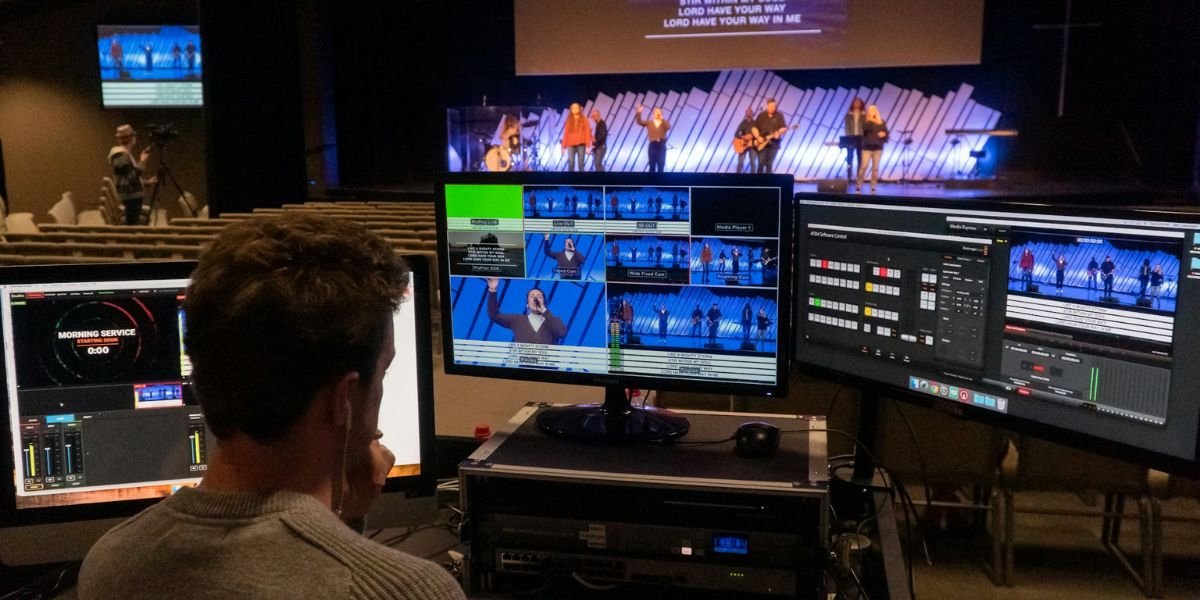

A multi-channel sports broadcast platform is a broadcasting structure that delivers a single sporting event to viewers simultaneously through multiple channels and formats. Moving beyond the traditional single-channel broadcast model, this structure has become the core infrastructure of the modern sports media industry.
Defining the Multi-Channel Sports Broadcast Platform
A multi-channel sports broadcast platform is a system that distributes a single game or sporting event simultaneously across multiple delivery channels. These channels include terrestrial television, cable broadcasts, OTT streaming services, mobile apps, social media live streams, and radio.
For example, when a KBO League game is available at the same time on a terrestrial broadcast, a Tving stream, a YouTube highlights channel, and a radio commentary feed, the entire structure forms one multi-channel broadcast platform ecosystem. Viewers choose the channel that fits their device and situation, consuming the same game through entirely different experiences.
Core Components: How Content Reaches the Viewer
For a multi-channel sports broadcast platform to function, several core components must work together in a connected system.
The first is the content acquisition stage. Cameras, microphones, and data collection equipment installed at the venue capture live match footage and statistical data in real time. The original feed secured at this stage becomes the starting point for every channel that follows.
The second is the encoding and conversion stage. The captured source signal is compressed and converted to match the technical requirements of each channel. A high-definition TV broadcast signal and a low-bandwidth mobile streaming file require different technical specifications, and automated media processing systems handle these conversions.
The third is the Content Delivery Network (CDN) stage. Converted content is distributed across servers worldwide through CDNs, and the moment a viewer requests a stream, data is delivered from the nearest server. This structure allows millions of people to watch the same game simultaneously without buffering or instability.
The fourth is the channel-specific interface stage. Each platform ultimately delivers content to viewers through its own user interface. TV apps, web browsers, mobile apps, and social media live streams all draw from the same underlying game feed but offer different functions and viewing experiences.
Why the Multi-Channel Structure Matters
In the past, sports broadcasting typically operated under a model where a single broadcaster held exclusive rights and transmitted through one channel. As viewer behavior diversified, however, a single-channel structure became insufficient to meet the range of demand.
Today’s sports fans consume games well beyond the traditional model of sitting in front of a television. They watch on smartphones during commutes, follow along on multiple devices at once, and engage through social platforms in real time. The multi-channel platform is the structural solution to this shift in viewing behavior.
For broadcasters and platform operators, a multi-channel strategy also brings business advantages: diversified advertising revenue, expanded subscription models, and access to global audiences. Distributing the same content across multiple delivery paths widens reach and allows revenue models to be constructed across multiple layers.
For a deeper look at how the multi-channel broadcast environment changes the fan experience, seoul-tv.net’s analysis of live sports streaming platform comparisons covers quality, accessibility, and fan engagement in detail.
Data and Personalization: Where Multi-Channel Platforms Are Heading
Multi-channel sports broadcast platforms are moving well beyond simply distributing content across several channels. As data analytics and artificial intelligence become more deeply integrated, platforms are developing toward delivering experiences tailored to individual viewer preferences.
Features such as selecting a customized camera angle focused on a specific player, displaying real-time statistical overlays, and choosing a preferred commentator’s voice are increasingly becoming standard offerings. This means that even viewers watching the same game can have entirely different experiences depending on their preferences and platform choices.
Academic research on the relationship between media technology and sports broadcasting is available through the MIT Sloan Sports Analytics Conference, which also provides access to technical documentation related to the standardization of multi-channel broadcast technology.
Application in the Korean Sports Broadcast Market
South Korea is one of the markets where multi-channel sports broadcast platforms have expanded at a notable pace. Major domestic sports leagues including the KBO League, K League, V-League, and KBL are now delivered simultaneously across terrestrial and cable broadcasts as well as digital channels such as Tving, SOOP, Naver Sports, and YouTube.
SOOP in particular has introduced an interactive broadcast format where streamers and fans communicate in real time, creating an experience distinct from conventional television. Tving has built its subscriber base among KBO fans by combining high-definition streaming with on-demand replay functionality.
As competition between platforms in the Korean sports broadcast market intensifies, each platform is investing in differentiating its content and raising its technical standards.
Challenges: Rights, Latency, and Accessibility
Multi-channel sports broadcast platforms face ongoing challenges as they grow. The complex distribution of broadcast rights, region-based content blocking through geo-restrictions, and signal latency in live broadcasts are among the most persistent issues.
Signal latency becomes more complicated in a multi-channel environment. A viewer watching a game on terrestrial television and a viewer using an OTT app may experience a gap of several seconds to tens of seconds between what each is seeing. This time difference can create spoiler problems when viewers share real-time reactions on social media.
The complexity of rights management and region-specific broadcast rights negotiations also remains a structural challenge for platform operators. The broader the global audience a service targets, the greater the burden of satisfying the broadcasting regulations and contractual conditions of multiple countries simultaneously.