
Dolls have long held a special place in the realm of horror films. From their innocent origins as children’s toys to their chilling portrayals in modern thrillers, dolls often serve as symbols of fear, unease, and supernatural horror. But what is it about these seemingly harmless objects that evoke such strong reactions? In this article, we explore the psychological, aesthetic, and cultural factors that make dolls so scary in films.
The Psychological Basis for Fear of Dolls
The Uncanny Valley
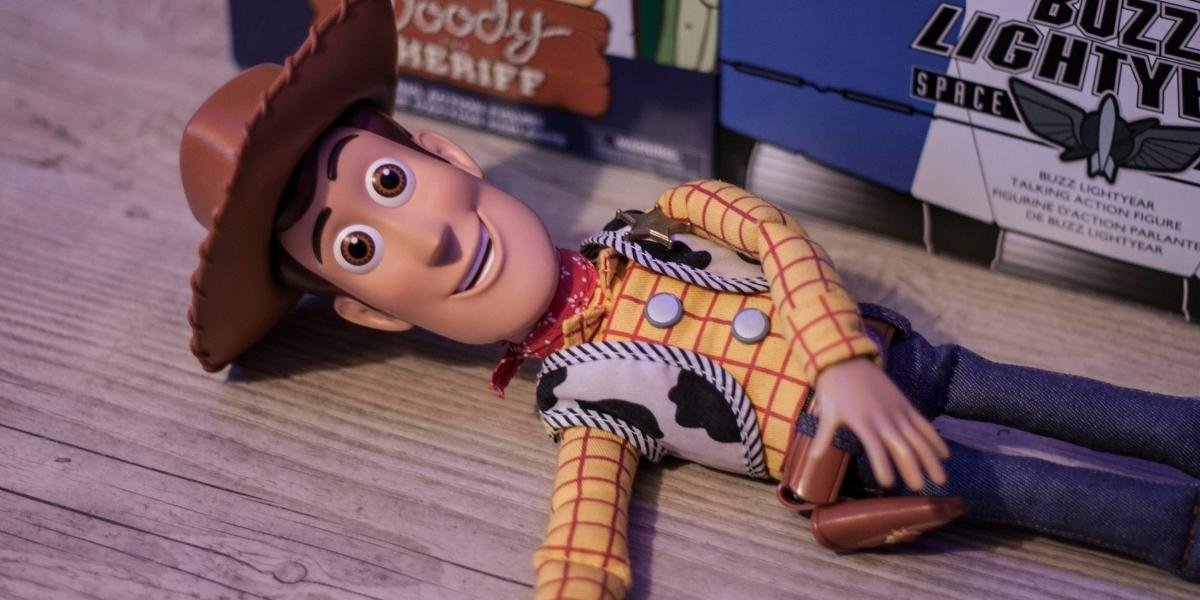
One of the primary psychological reasons dolls are so unsettling is rooted in the concept of the Uncanny Valley. This theory suggests that objects that closely resemble human beings, but are not quite human, evoke discomfort in observers. Dolls often possess this “almost human” quality, with their lifelike eyes, realistic faces, and human-like features, yet they are not alive. This near-human appearance but lack of true sentience creates an eerie disconnect, making them appear unnatural or “creepy.” The more human-like the doll is, the more unsettling it becomes when it behaves in a way that feels “off.”
Childhood Associations and Fear of Control
Dolls are also linked to early childhood, a time of innocence and vulnerability. As children, we often form strong attachments to our toys, and dolls, in particular, symbolize care, affection, and nurturing. In horror films, this connection is twisted, as dolls are often shown as malevolent or manipulative entities. The idea that a beloved childhood toy could harbor dark, sinister intentions taps into deep-rooted fears of losing control or being watched, as the doll becomes an unblinking observer of our every move. This loss of control is a central theme in films where dolls come to life or possess human traits, amplifying their terrifying impact.
Iconic Scary Doll Characters in Film
Chucky from Child’s Play (1988)
Perhaps the most famous scary doll in cinematic history is Chucky from Child’s Play. Chucky’s transformation from a child’s toy to a murderous entity is a masterful example of the fear dolls can inspire. The juxtaposition of a seemingly harmless doll and its violent tendencies disturbs viewers, especially as Chucky becomes a physical representation of the danger that can lurk beneath a seemingly innocent exterior. This blending of innocence and violence is a recurring theme that makes Chucky so frightening, and it is a concept that resonates in many horror films involving dolls.
Annabelle from The Conjuring Universe (2013–present)
Another iconic doll is Annabelle, the terrifying centerpiece of The Conjuring universe. Unlike Chucky, Annabelle’s malevolence isn’t tied to the doll’s actions but rather to its association with dark supernatural forces. The doll is a conduit for evil, embodying the fear of demonic possession and paranormal terror. What makes Annabelle particularly unsettling is her stillness—she doesn’t move or speak, but her presence alone is enough to evoke terror. This reinforces the idea that even an inanimate object can be a powerful source of evil, tapping into existential fears of forces beyond human control.
The Puppet Master Dolls (1989)
The Puppet Master series features dolls that are not only possessed but also endowed with supernatural powers. These animated dolls are able to kill and cause harm, using their seemingly innocent form to deceive and trap their victims. The horror in Puppet Master comes from the idea of a toy or object gaining autonomy and power over humans, flipping the power dynamic and turning a traditionally safe object into a dangerous predator. The unnerving blend of human characteristics and malevolent intent is what makes these dolls so scary.
The Role of Dolls as Metaphors in Horror
Loss of Innocence and Control
In horror films, dolls often symbolize the loss of innocence or childhood. They represent a time when everything seemed safe and comforting, yet they are also reminders that innocence can be corrupted. When a doll becomes a villain in a horror narrative, it suggests that no place is free from danger—even the most familiar or comforting elements of childhood. Dolls are often depicted as figures that subtly exert control over their surroundings, offering a reflection of our fears of losing autonomy or being manipulated by unseen forces.
Fear of Identity Theft or Loss
Another common metaphor for dolls in horror films is the fear of losing one’s identity. Dolls that come to life or take on human characteristics often represent a deep-seated fear of being replaced, mimicked, or overtaken by an artificial version of oneself. This fear is particularly strong in films where dolls act as vessels for spirits, souls, or otherworldly beings, suggesting that the doll may eventually “take over” the human character. The notion that a doll could absorb or replace a person’s identity highlights the fear of being overshadowed by something hollow or fake.
The Aesthetic and Design of Scary Dolls
Eyes and Facial Features
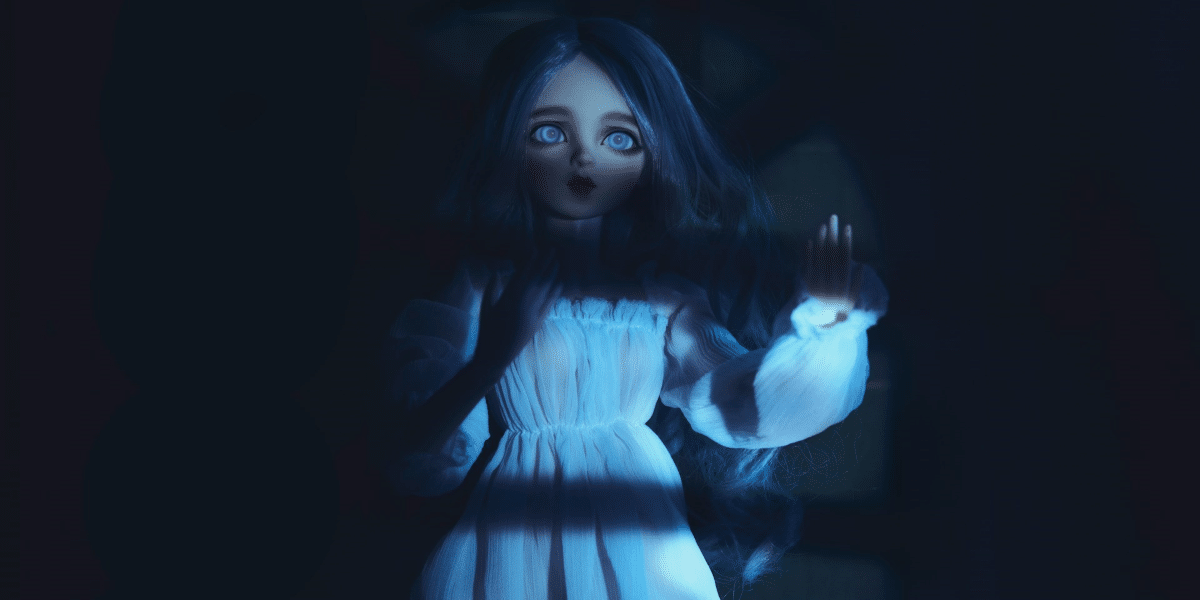
One of the most unsettling aspects of dolls in horror films is their eyes. Dolls with large, glassy eyes or painted features evoke discomfort because they seem to watch without blinking or reacting. This stillness is amplified by the eyes’ unnatural nature—whether it’s the glossy, lifeless eyes of a traditional porcelain doll or the exaggerated, hollow gaze of a modern plastic doll. The eyes often convey emotion, but the absence of true expression creates a disturbing paradox: the doll looks human, but its lack of genuine emotion makes it seem eerily lifeless.
Physical Movement and Animation
Dolls that come to life in horror films often do so through unnatural or jerky movements. This disjointed animation—whether through stop-motion, puppetry, or animatronics—further amplifies their creepy effect. The sight of a doll moving on its own, especially with mechanical or exaggerated motions, induces discomfort because it challenges the normal expectations of what inanimate objects should do. When dolls are animated or move in ways that break their seemingly rigid and harmless forms, it triggers a primal fear.
Clothing and Accessories
The clothing and accessories dolls wear also contribute to their sinister nature. Typically dressed in childlike attire such as dresses or suits, dolls look harmless, yet their attire juxtaposes the malevolent behavior they exhibit in horror films. This contradiction between the doll’s outward appearance and its actions serves to increase the sense of unease. Innocent clothing on a violent, possessed doll adds to the horror by undermining our expectations of safety and comfort.
Cultural and Social Context of Fear of Dolls
Cultural Associations with Dolls in Folklore
Across various cultures, dolls have been associated with spirits, magic, and even curses. In some traditions, dolls are seen as vessels for spirits or as objects that can hold supernatural power. This association with death and the supernatural gives dolls an inherently eerie quality, making them ideal subjects in horror narratives. For example, Voodoo dolls and haunted dolls in folklore reflect society’s deep-rooted fears of control, possession, and the unknown.
Gender and Dolls in Horror
In many horror films, dolls are gendered, typically portrayed as female. This gendered portrayal often connects dolls with ideas of domesticity, nurturing, and caregiving—qualities that are usually associated with women. When these gendered dolls turn malevolent, it subverts the expectations of the viewer, adding an element of discomfort. Dolls, often viewed as innocent and sweet, when given violent or supernatural traits, disturb traditional social roles and evoke anxiety about gender roles and expectations.
Dolls in horror films tap into several deep-seated psychological fears—fear of loss of control, identity theft, and the blurring of boundaries between the living and the non-living. Their eerie, lifelike qualities, combined with the cultural associations of innocence and childhood, create an unsettling paradox. Dolls in film often represent the darkness that can hide behind seemingly innocent things, making them one of the most effective and terrifying symbols in the horror genre. Whether they come to life, possess supernatural powers, or simply stare at you from the corner of a room, dolls remain a timeless source of fear in cinematic storytelling.